
Centenary Endowment Fund
Through the Wits 100 Centenary Endowment Fund, we are striving to further our work in teaching and research excellence, scholarships, student support, the student experience, and campus improvements.
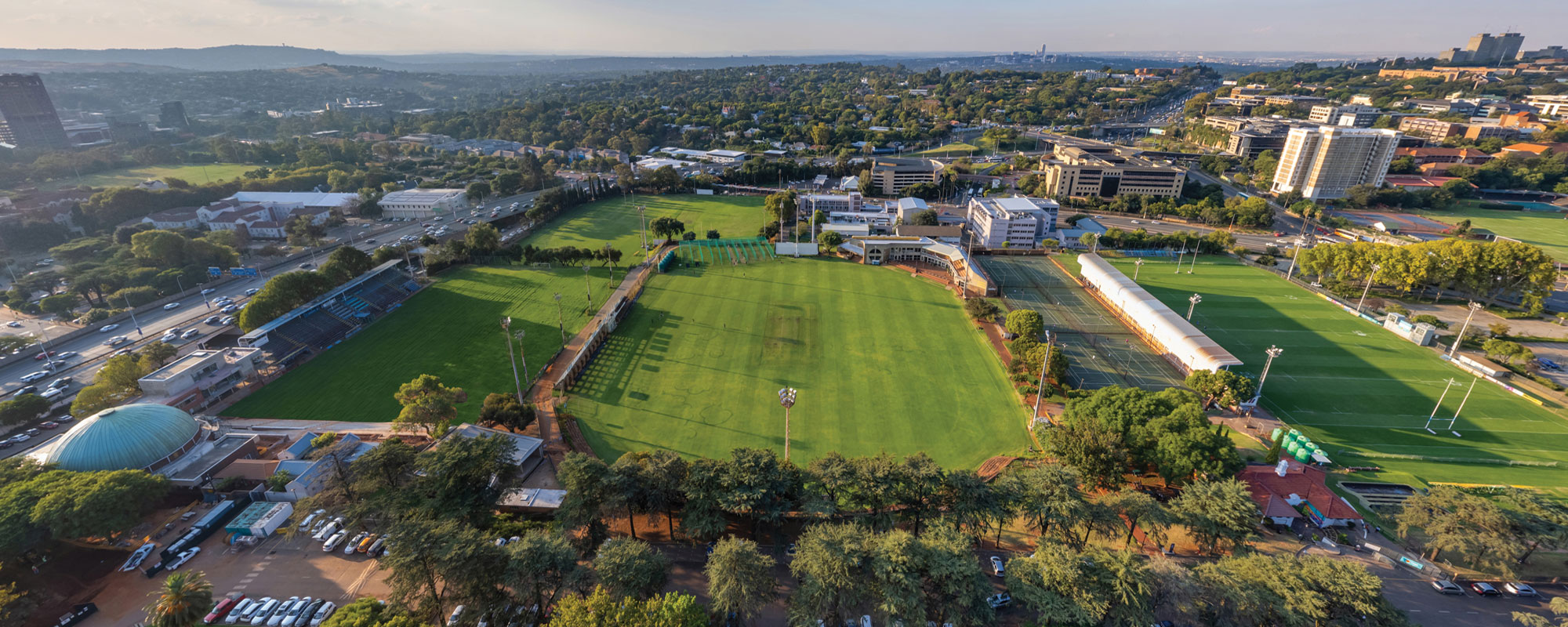
The Centenary has been an opportunity for our global community to celebrate the impact that Wits has had on their lives, a chance to reflect and to look to the future. If we can give more people access to quality education at Wits, and attract top teaching and research talent, we can do even more to tackle inequality, contribute to employment and drive sustainable development.
Wits is pursuing eight priority areas to support teaching, research and innovation; students; and infrastructure development.


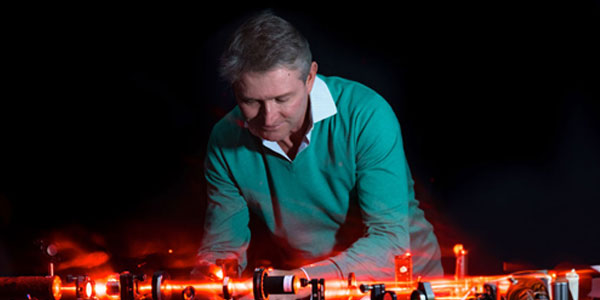
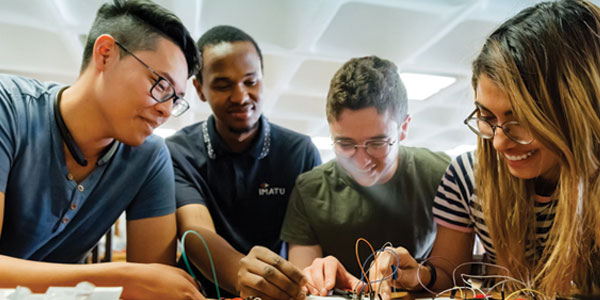
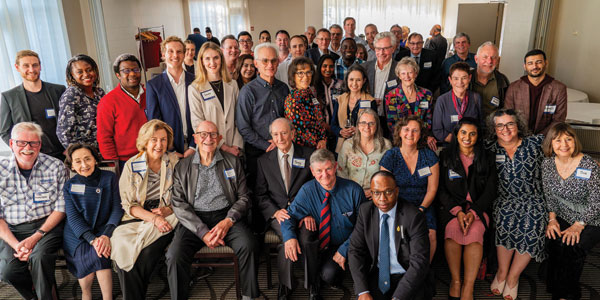
The story of Wits University is a time-honoured legacy. From our early beginnings in Johannesburg a century ago, to our plans to lead the fourth industrial revolution for the century ahead, journey through our finest and toughest moments in this 100-year timeline.
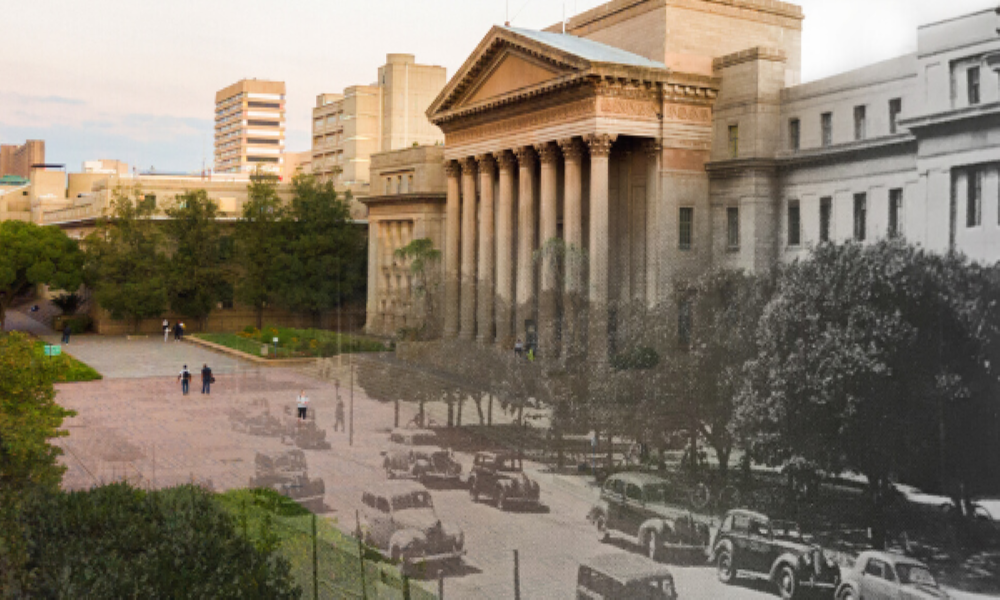
Prior to the official opening of the University of the Witwatersrand in 1922, we began as a school in Kimberley in 1896.
Ever since, this University has been the epicentre of knowledge, growth and social justice. We have maintained our legacy of excellence by consistently providing quality higher education and staying at the forefront of innovation.
With our African roots and our global competitiveness, we're shaping a number of great minds, fighting for human rights, discovering life saving technologies and uncovering hidden gems. We're here and we're staying. For Good.
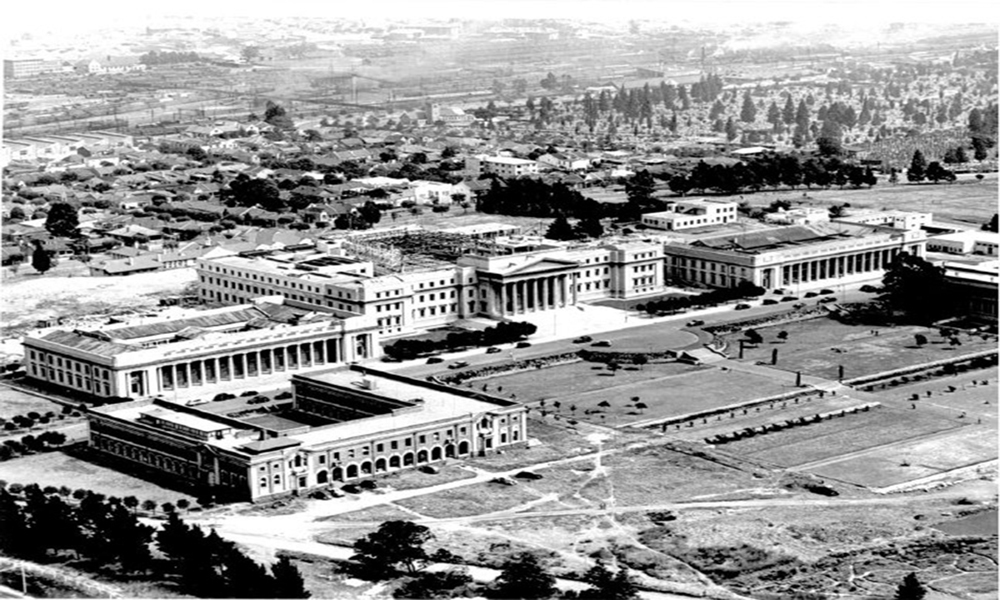
Wits is granted full university status in March 1922. Once the University was officially established, it appointed H.R.H Prince Arthur as Chancellor and Professor Jan Hofmeyer as Principal. The official opening ceremony only occurred on 4 October 1922 because of the postwar revolutionary strikes that were taking place for most part of the year.
From its beginning, authorities at Wits University were clear on three things that would not be compromised on at the University: first, that the academic standard must always be of the highest; second, that adequate infrastructure was to be a priority for staff, lecture halls and student residences; and third, that modern and expensive laboratory equipment was needed to provide the best environmental conditions for research. These standards of quality are still staunchly maintained at the University today and cements our internationally recognised academic programmes.
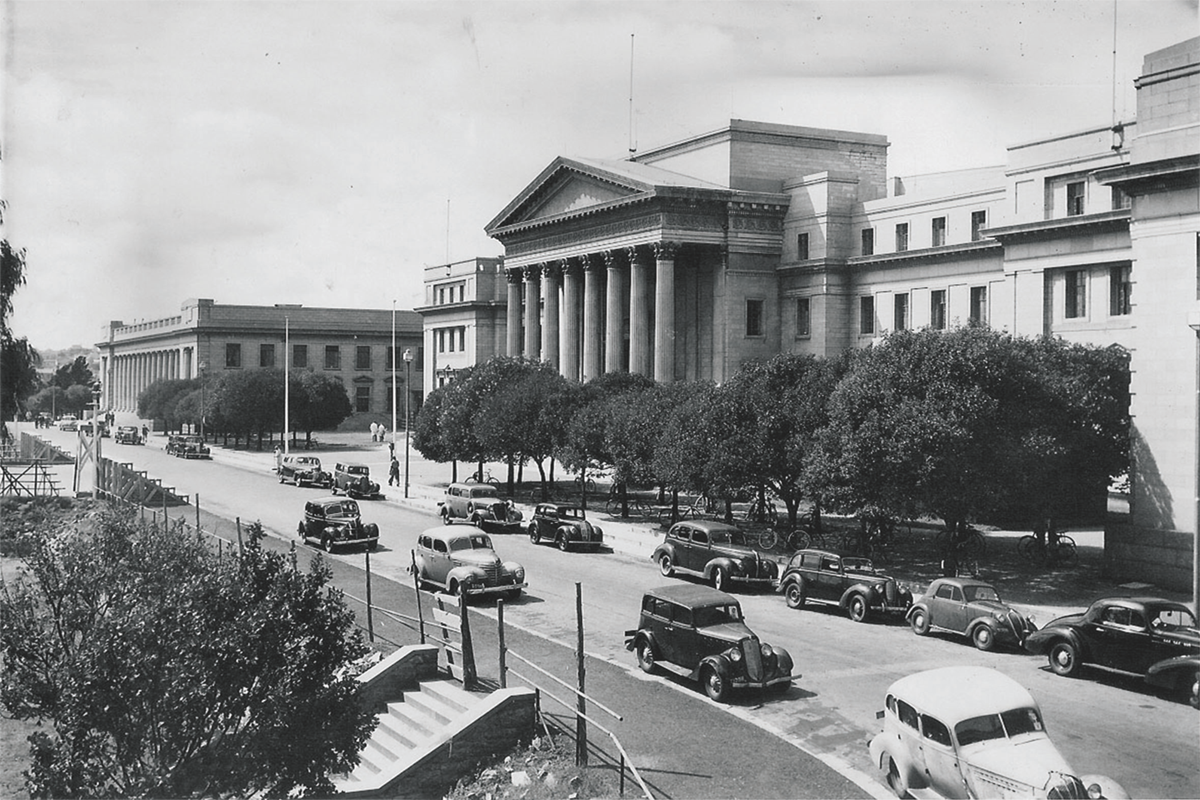

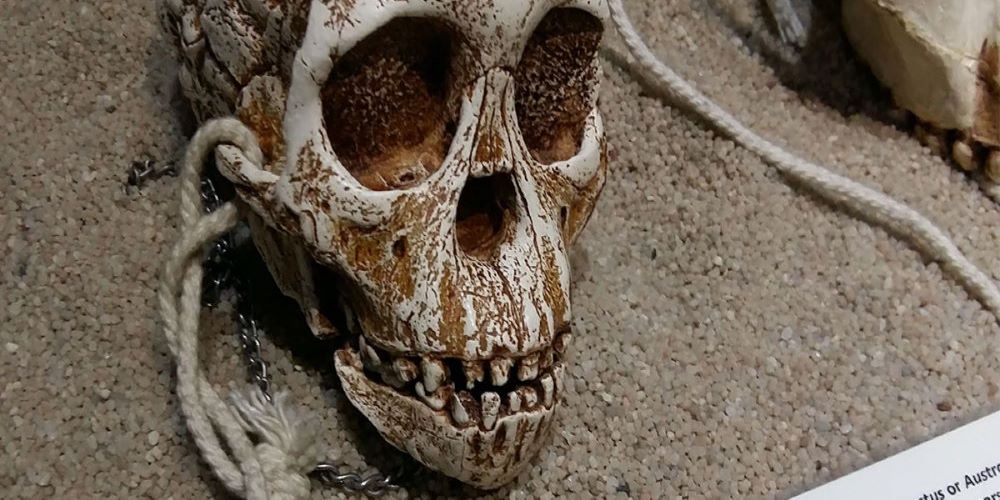
Professor Raymond Dart announced the discovery of the Taung skull, the first of Africa’s early hominids, and named the species Australopithecus Africanus. He published an article in Nature. This and later discoveries established his international scientific reputation and brought enormous prestige to the University.
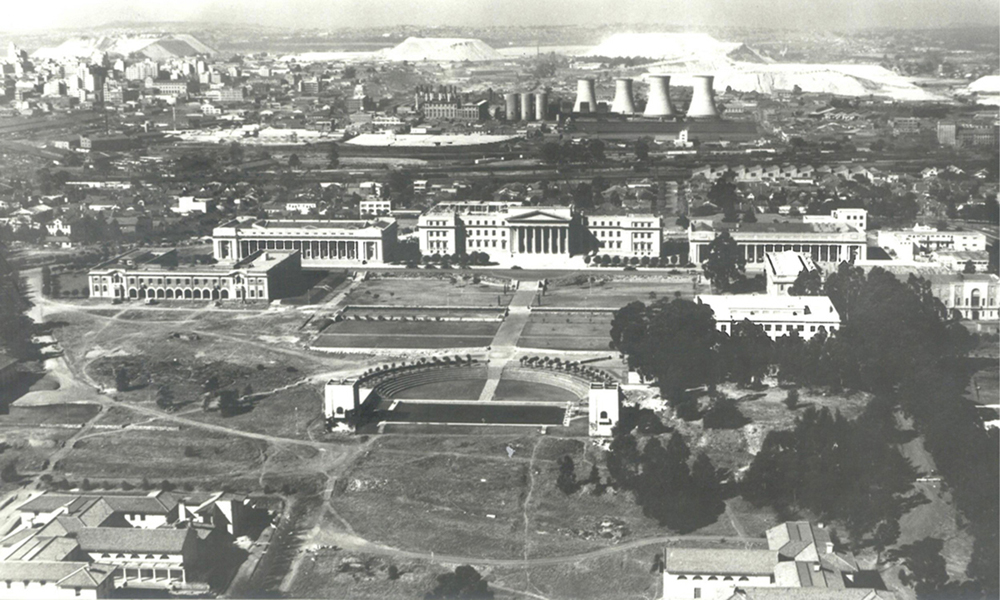
In 1923, the University gradually vacated its premises in Eloff Street to move to the first completed teaching buildings at Milner Park. The University had, at that stage, 6 faculties (Arts, Science, Medicine, Engineering, Law and Commerce), 37 departments, 73 members of academic staff and little more than 1 000 students. In 1925 the Prince of Wales officially opened the Central Block.

Since the mid-1920s the government of the time under Barry Hertzog hinted that subsidies to universities were putting a strain on the state. In particular, they questioned the need for certain departments at Wits University, such as the School of Architecture and the Schools of Music and Bantu Studies. In 1929, the government took direct measures to cut funding to universities and Wits saw its state subsidy reduced to just 5%. Soon after this came the Great Depression, which further strained university funding.
Rag Day Commemoration 1929
Rag Day (Remember and Give) was the climax of six weeks of activity aimed at raising funds for charity, which also involved the consumption of copious amounts of alcohol. A month before Rag Day, students took to the streets selling the Rag magazine, Wits Wits, a compendium of jokes and cartoons. A Rag Queen presided over a street procession of floats in the morning and the Rag Ball in the evening.

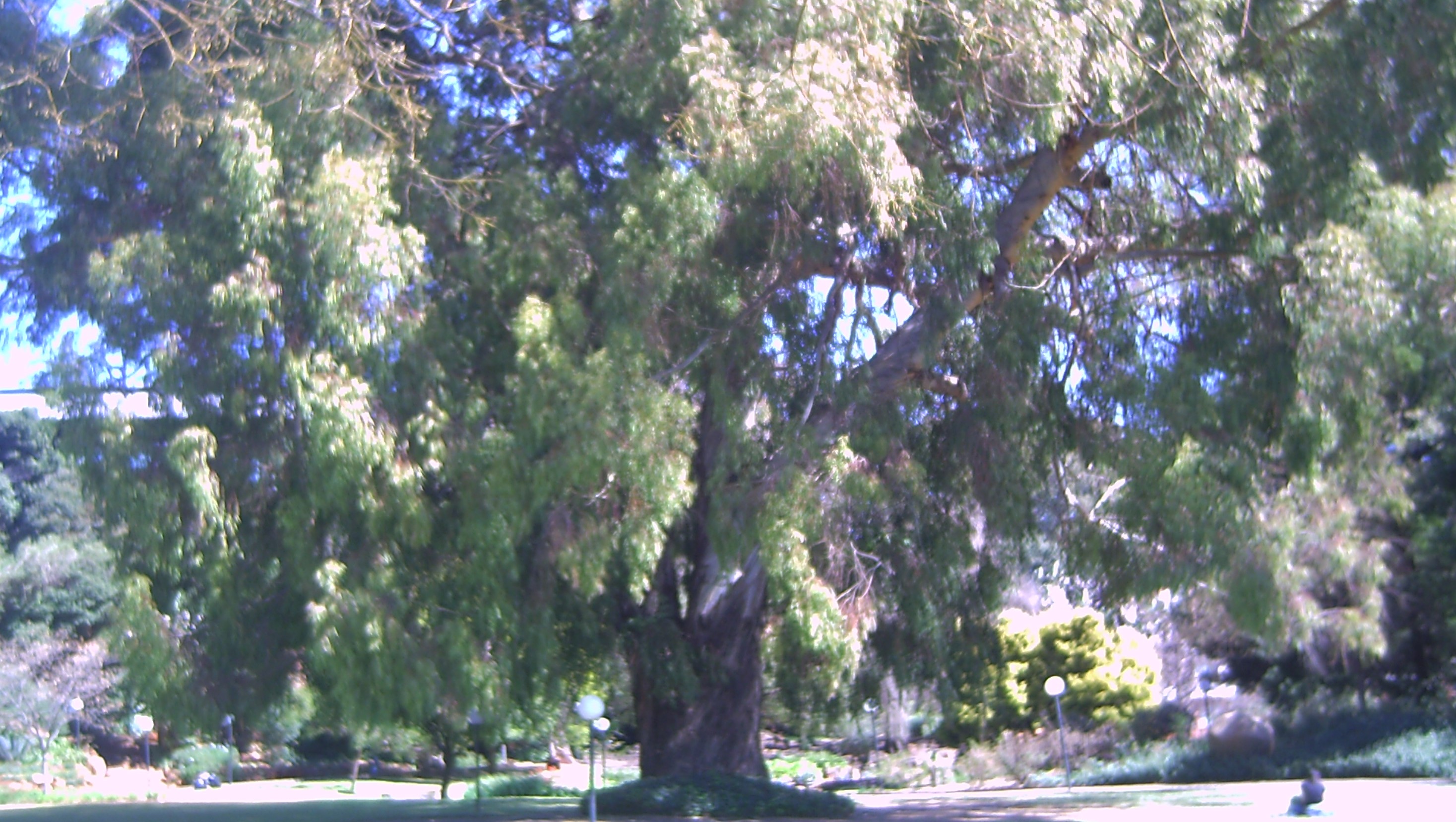
The massive crown of a eucalyptus (blue gum) tree, measuring more than 38 metres from side to side, supported by a trunk of 7.5 metres in circumference, shades part of the Gavin Reilly Green on West Campus.
The tree was planted in the 1930s, next to the main road used in the 19th century by the early traders on the route between Rustenburg and Joburg when the city was still a gold rush town.
The Department of Agriculture initiated the Champion Trees Project to identify trees worthy of special protection throughout South Africa, under the National Forests Act of 1998. This tree is one of them.
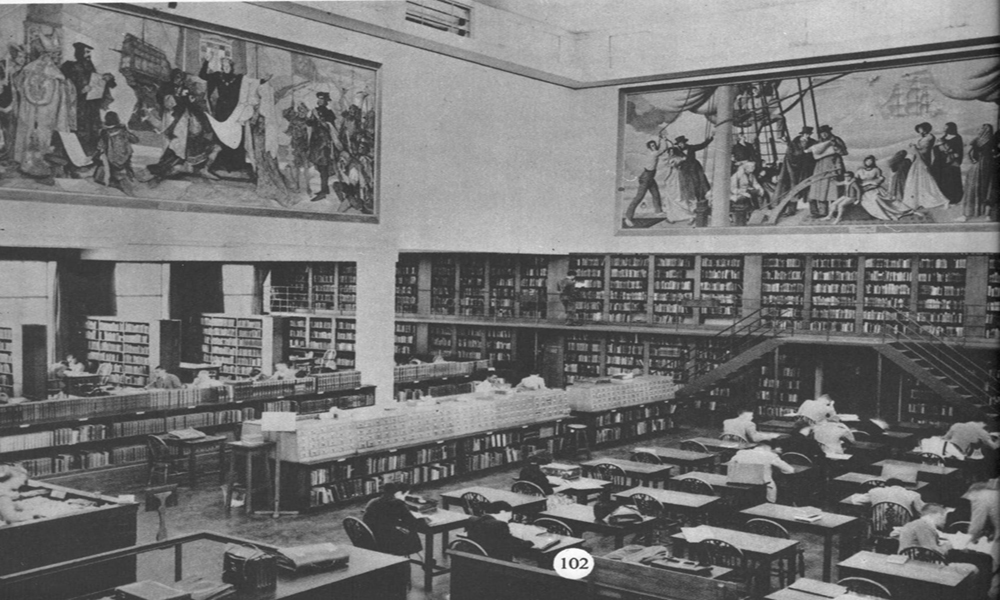
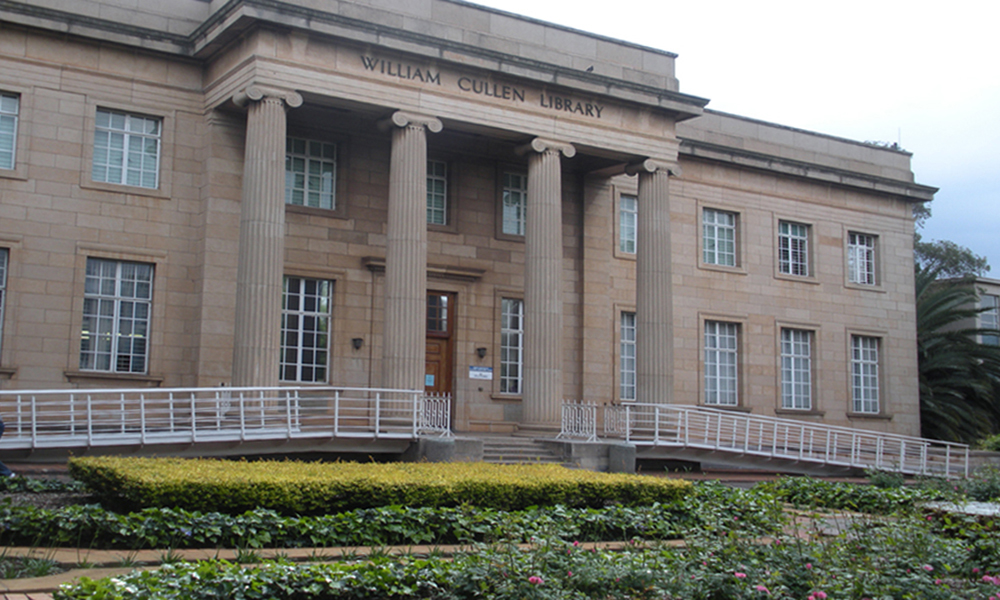
Construction of Wits' first library began in the early 1930s, and it was officially opened on 12 March 1934. At its opening, The Star newspaper stated that “It is considered that the Library should meet the needs of the University for at least the next 100 years…” A campaign was also started to populate the Library with books. Many came from private individuals, donations, scientific societies, and institutions in the United States and Canada. Thousands of volumes of books were collected and in 1974, the Library was named after William Cullen who played a major part in the reconstruction of the building and collection of its books.

Wits University cements itself as an Open University and appoints its first black staff member, Dr B.W. Vilakazi, who went on to publish the first Zulu - English dictionary with another Wits professor. The infamous 'Vilakazi Street' in Soweto - where Nelson Mandela and Desmond Tutu lived - was named in honour of Dr Vilakazi.
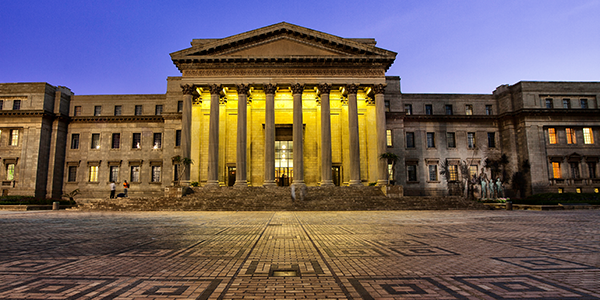
Vilakazi’s poem “Wo, Ngitshele Mntanomlungu” (“Tell Me, White Man’s Son”) recalls his arrival at Wits and pausing at the sound of pigeons roosting above the columns of Central Block:
Such massive and majestic columns,
Drawing my gaze, where, high above me,
Doves are perched whose noisy cooing
Is like the bellowing of bulls.
Thus, as I gaze in wonder,
I realise beyond all doubt
That I am lost! Yet well I know I came
To serve my own beloved people –
Aware of them always, I hear them cry
“Take up your burden and be our voice!”

Wits University’s first research institute is established. The Bernard Price Geophysical Research Institute was funded and donated by Dr Bernard Price, who spent many years on the University Council. Important research on lightning and Seismology came out of research work at this institute. The Special Radar Unit of the Corps of Signals, under Brigadier Basil Schonland, developed and built equipment and operated the entire South African Radar activity from this institute.
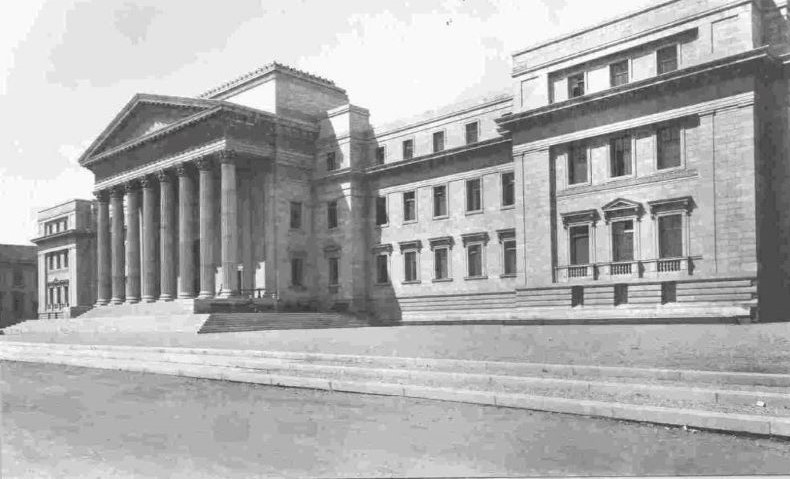
The Central Block building was an unfinished façade behind which stood a two-storey wood and iron structure, with a basement. It was only completed in May 1940 because of financial constraints. In June the Governor-General officially opened the Great Hall, without incident.

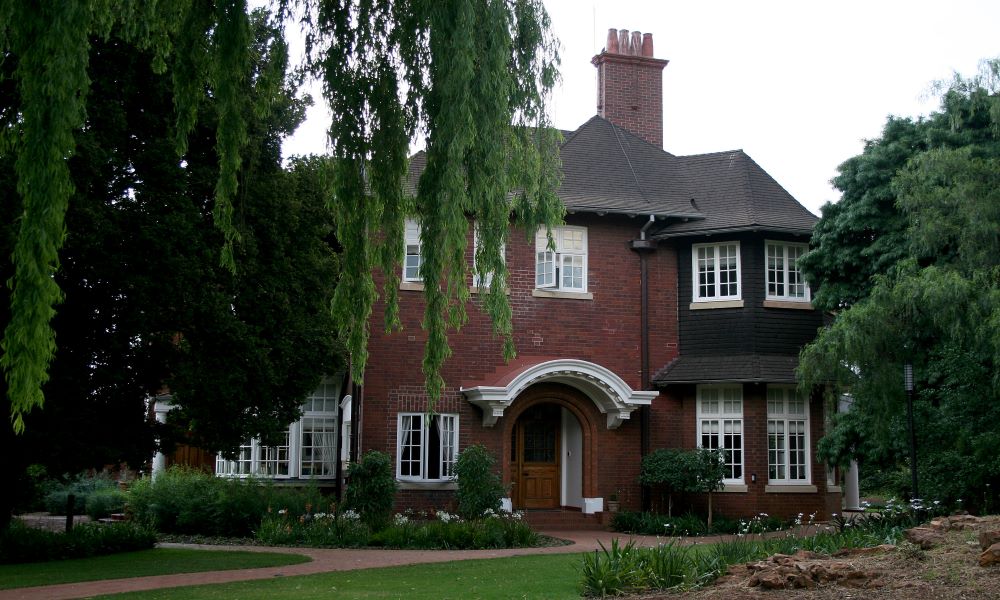
A pioneering giant in Zulu literature, Dr B.W. Vilakazi drew inspiration from his rural home in Natal. He created a new genre of poetry combining traditional Zulu praise-poetry with the blank verse form. Vilakazi’s plays, books and poems, along with academic articles, were widely published from the early 1930s.

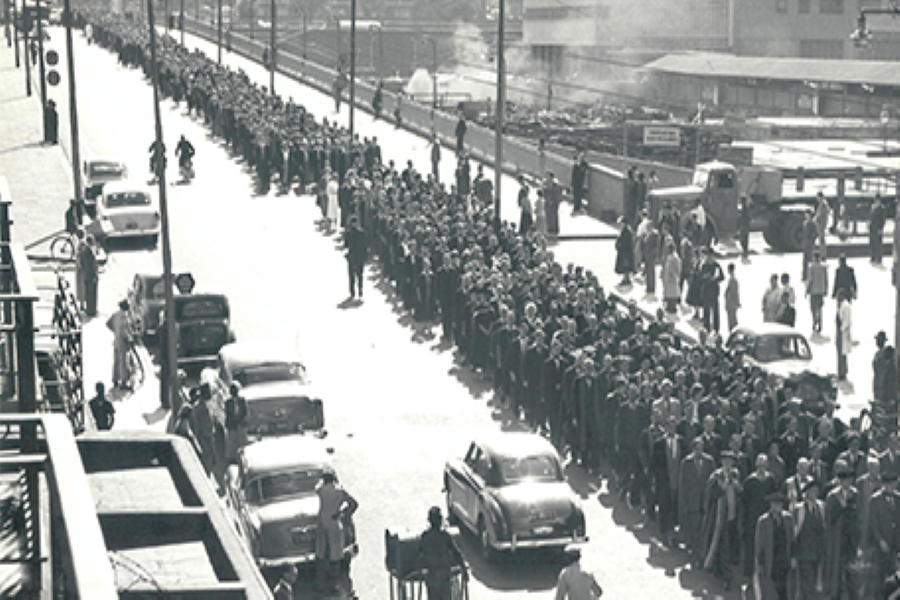
The first major protest by Wits students against fee increases takes place. This will set the tone for other student protests throughout the following decades at the University.
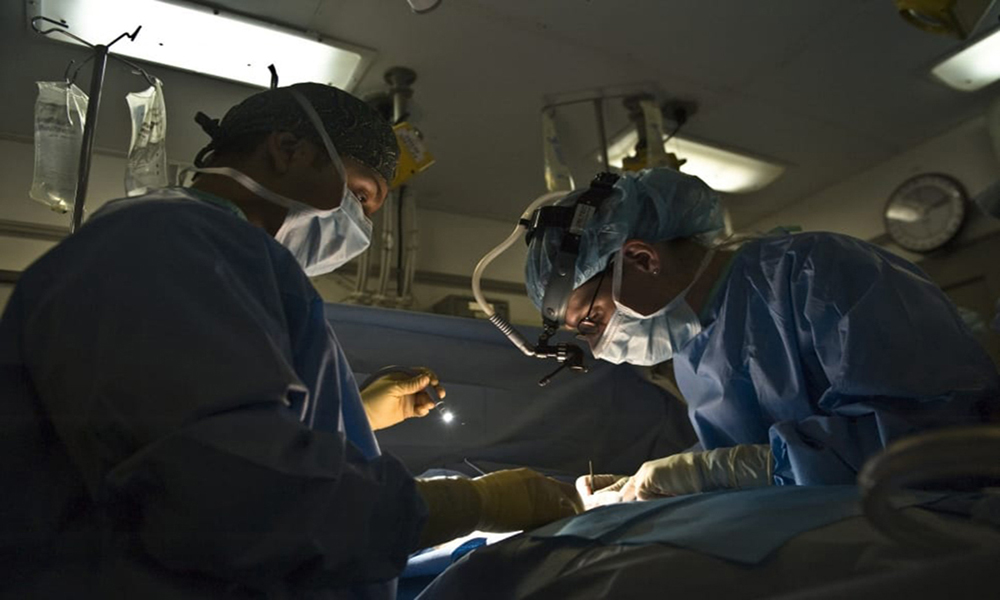
The SRC at Wits requested the convocation committee set up a fund and garner financial support for African students to study medicine. The government at the time had stopped all bursaries to African students eligible to study medicine, and wanted medical training facilities for non-Europeans to be confined to only the Natal university. The request was approved by Wits convocation and public support was also received for the training of African students at Wits medical training facilities.
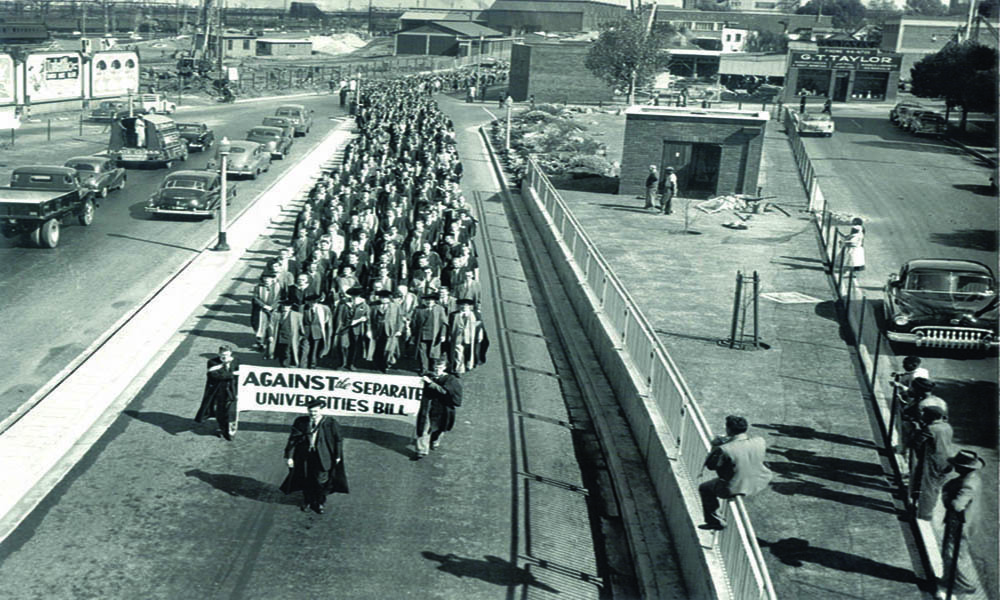
Wits University's Convocation Committee stated that it was solidly behind the Council, Senate, staff and students in regard to the independence of the University of the Witwatersrand and it supports wholeheartedly the concept of the University retaining its autonomy in regard to academic freedom.
"Furthermore, Convocation has already registered its strong protest at a Special General Meeting on 23 February 1954, when, by a large majority, it took exception to the appointment of a Government Commission to investigate the 'practicability and financial implications of providing separate training facilities for non-Europeans at the universities'." - Convocation Commentary, 1956
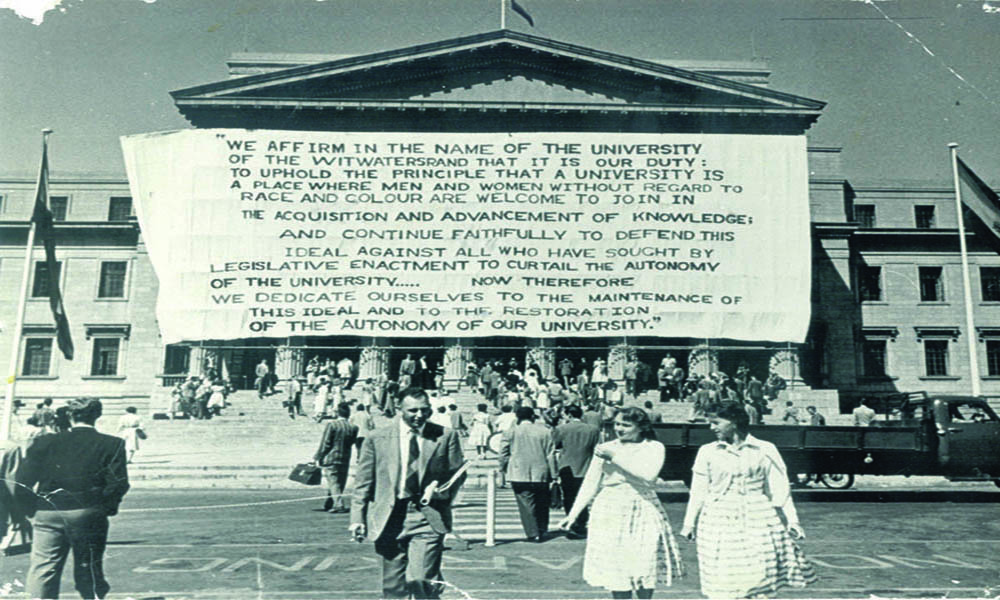
The Extension of University Education Act was passed in 1959 and barred all non-Europeans from attending universities in the country. This went against the most important values of Wits University, particularly academic freedom. The University staged a protest in opposition to the new legislation when staff and students lined the streets of Johannesburg calling for government to end its interference in academic matters.
Also in 1959, King Kong, a landmark South African jazz-influenced musical held its opening at Wits University. It went on to tour the country over the next two years and played for multi-racial audiences.
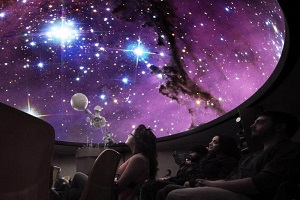
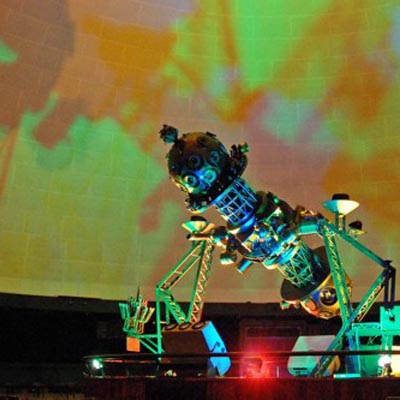
(Zeiss Projector)

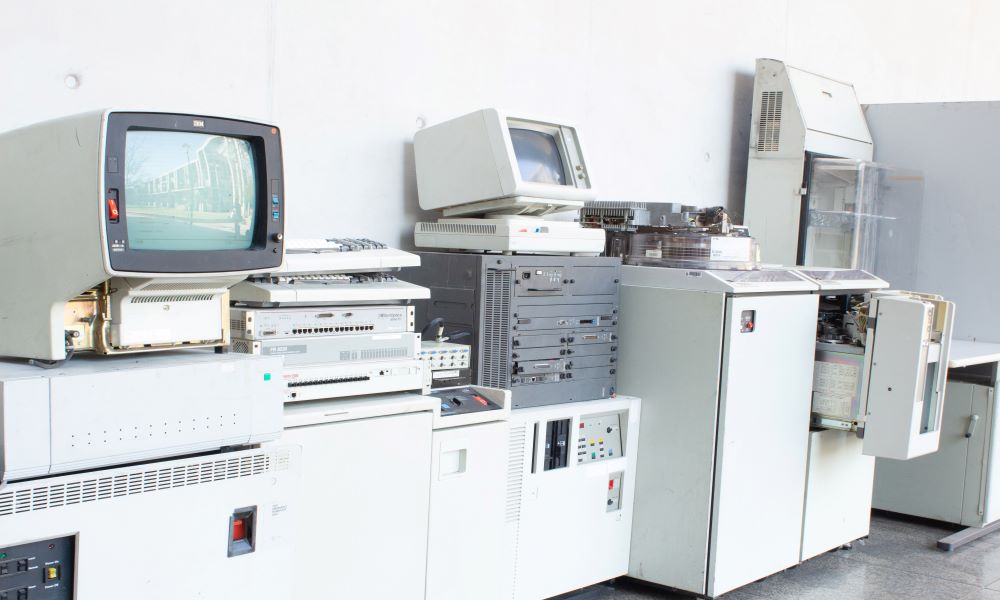
Wits University's Council made a decision to purchase a computer in 1961, and purchased one the following year. It was the first ever university-owned computer in South Africa. Apart from a machine owned by the CSIR at the time, it was also the only other scientific computer in the country. The University replaced the first computer with more advanced ones over the next 10 years - and maintained its position in the computing field in the decades that followed.
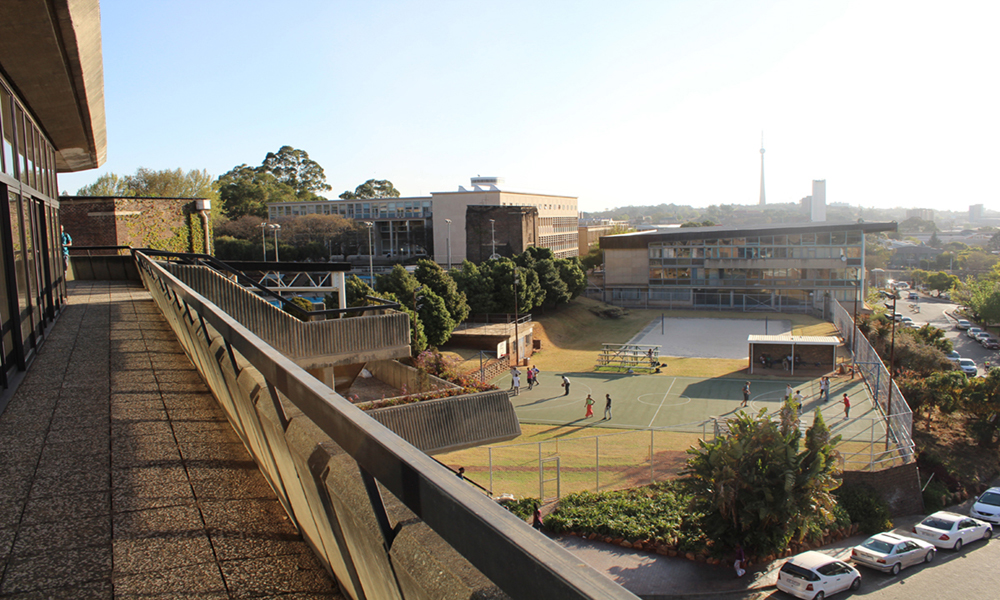
After many years of deliberating on a suitable site for a student's union building, one was finally decided on in 1964 and still exists today. It has grown to become a hub for student life and interaction, houses a mini student shopping mall called The Matrix, is also home of the SRC, the centre of student clubs and organisations — and the place for awesome food.
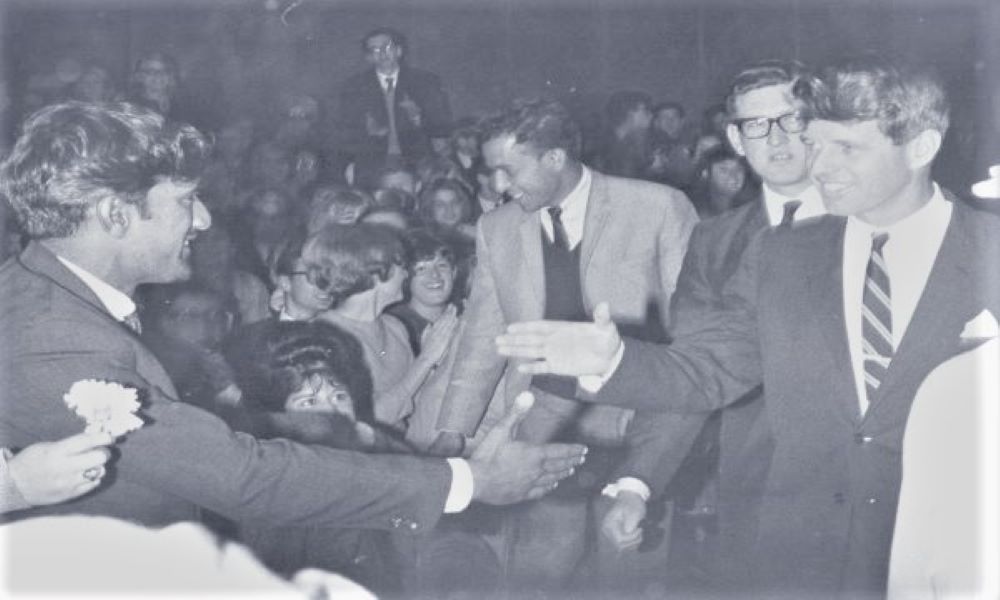
Robert Kennedy makes a seminal speech to a packed mixed audience in the Great Hall saying, “ So many of these I have seen, so many who are in this hall, are standing with their brothers around the globe for liberty and equality and human dignity; not in the ease and comfort and approbation of society, but in midst of controversy and difficulty and risk.”
Kennedy was the first American leader to visit South Africa after the National Party came to power. He was highly critical of apartheid and committed to racial equality and civil rights in the US. Invited by the National Union of South African Students (NUSAS) to deliver the Annual Day of Affirmation Speech at UCT, he went on to speak at two other universities. The apartheid government found it difficult to handle his visit, because of its ambivalent dependence on the US. It refused to provide any security, and government ministers petulantly contented themselves with delivering insults, including that Kennedy was “a little snip”.
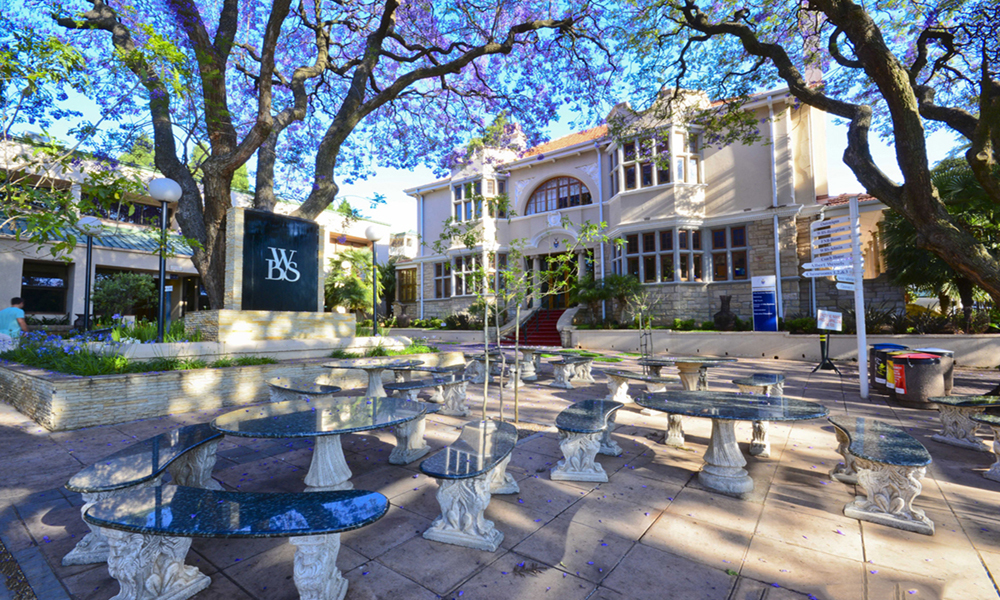
Wits Business School was opened in 1968. It has an extensive Management Library, 24-hour meeting rooms and Africa’s largest Case Study Centre, housing over 200 real-life cases that bring relevant business challenges into the classroom. The main campus is in Parktown.

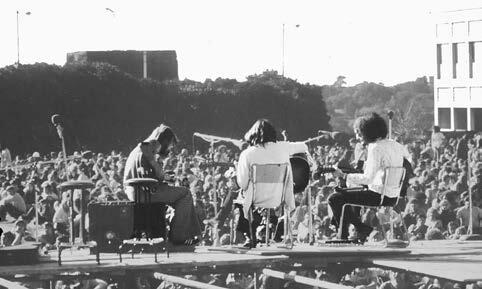
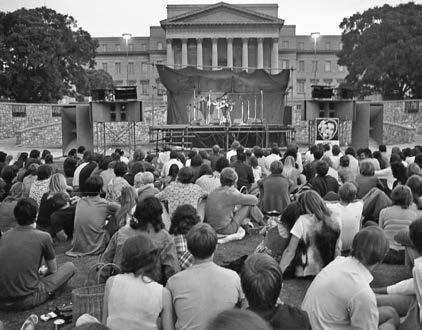
From 1971 through to the 1980s, Free People's concerts were hosted by Wits at various iconic venues from the Wits Library Lawns through to the Kloofendal Amphitheatre. It was one of the very few places were mixed races and bands were given an opportunity to come together.
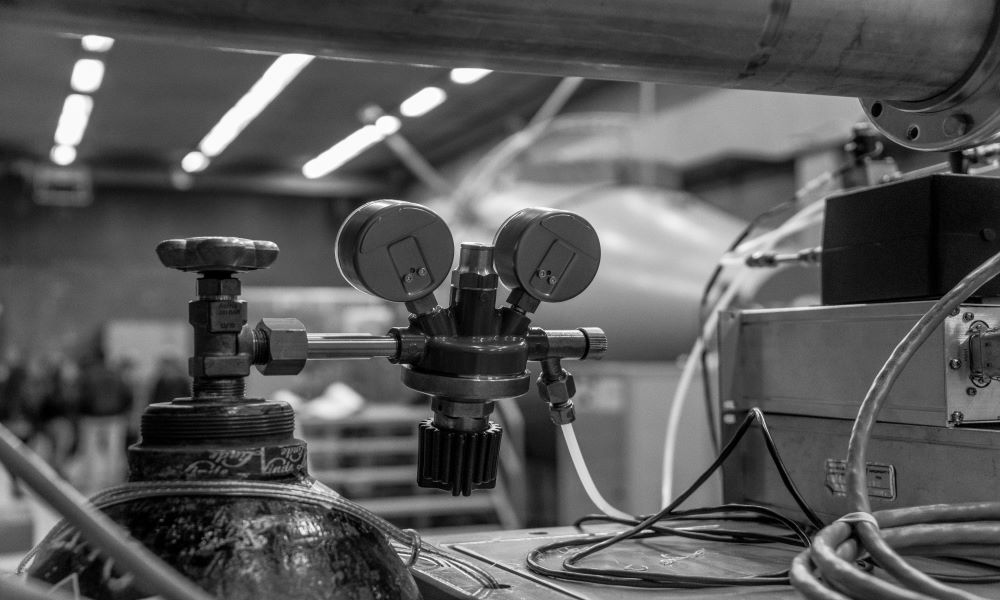
Wits University was the first university in South Africa to buy and operate a nuclear accelerator. The Tandem van Der Graaf generator called 'Daisy' was purchased for the Nuclear Physics Research Unit. These relatively compact machines pioneered the understanding of low-energy heavy-ion physics at just above the Coulomb barrier. Through the determined efforts of Sellschop, an EN Tandem van der Graaff accelerator reaching 6 MV was obtained from High Voltage Engineering Corporation, and installed in a purpose-designed building in 1973.
In 1972 at a Senate Committee meeting, the administration voiced concern over the abbreviation "Rand" cited on qualifications for academics and official publications from the University had become increasingly confused with Rand Afrikaans University. Suggestions were made to change the citation to WWR, WU, UW, Wits, and R'RAND. It was finally settled on "Wits" - which is the citation carried today on all academic credentials.

The Wits Law Clinic was established by Felicia Kentridge, who studied and lectured at Wits in the 1960s. She was a pioneer of public interest law in a time when no one else would provide these services. The Wits Law Clinic gave much needed support to impoverished black South Africans and it remains an important institution in South Africa today. In its opening year, the Clinic handled 145 cases and in 1993 over 2000 cases.
In 2002, the Clinic successfully compelled the government to provide Nevirapine to HIV-positive mothers in a landmark case on mother-to-child-transmission, and fought for the provision of ARV treatment, which marked a turning point in the government's AIDS policy. It won another landmark case on housing in the infamous Grootboom case, which compelled the state to provide adequate housing to all its citizens.
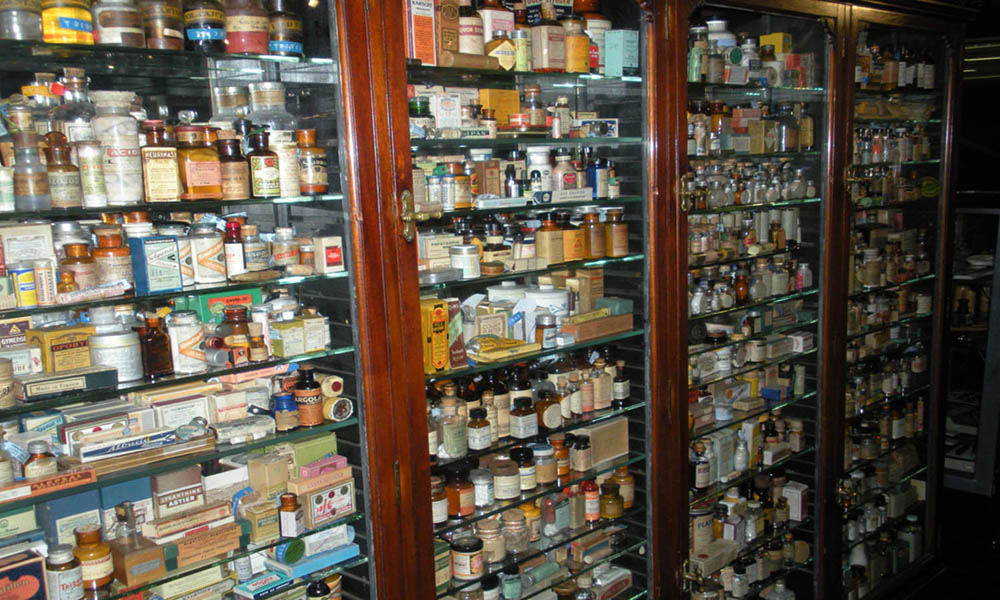
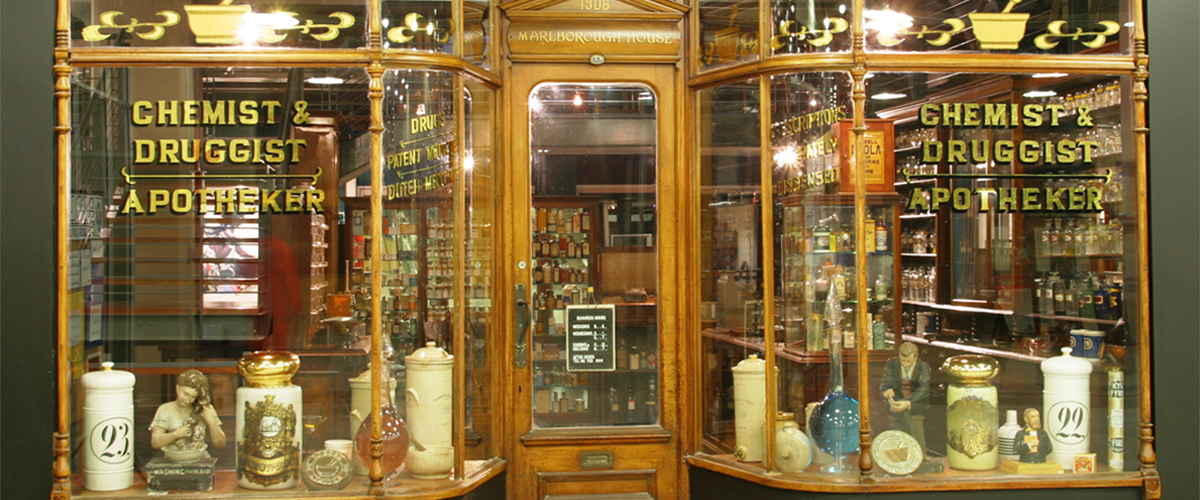
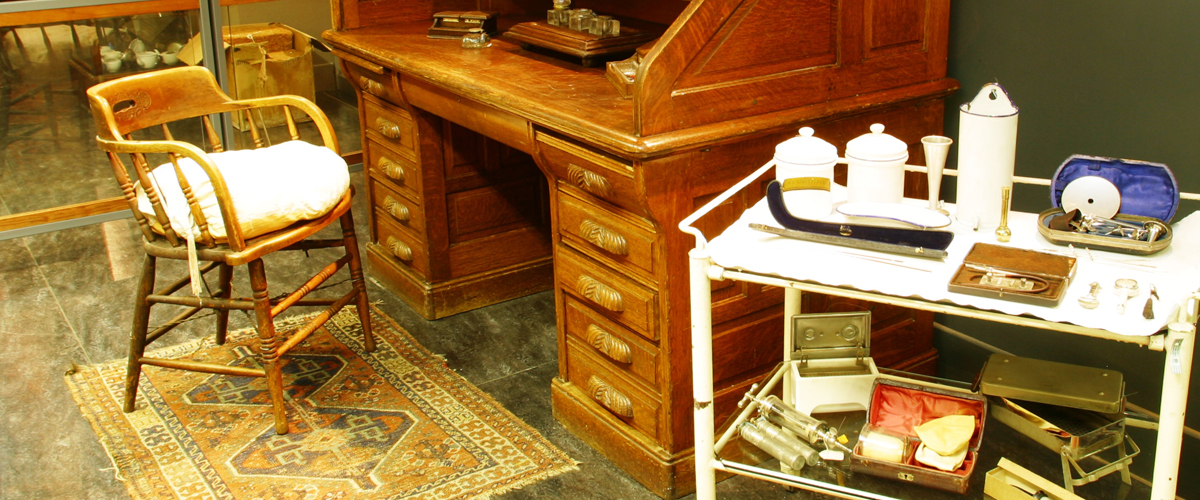
The Adler Museum was handed over to Wits University in 1974. It was founded in 1962 by Drs Cyril and Esther Adler. It is the only one of its kind in South Africa and is one of the most comprehensive history of medicine museums in the world.
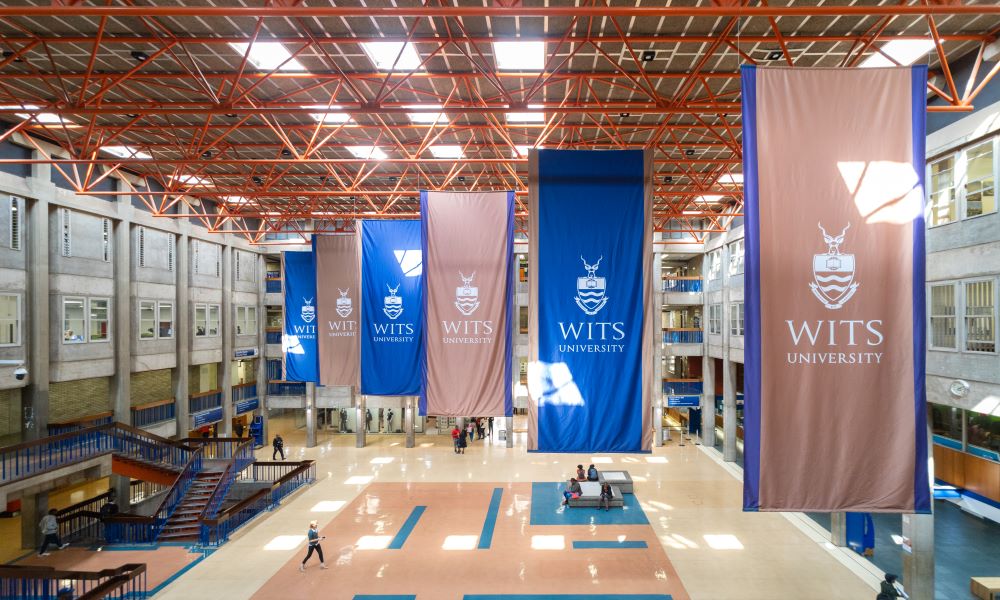
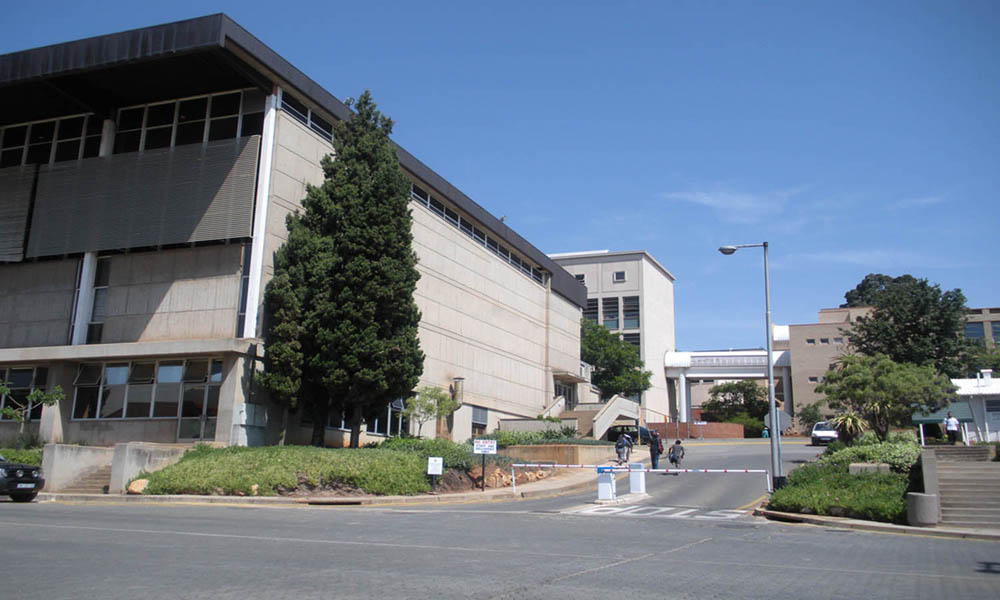
Senate House serves as the administration block of Wits. During the #FeesMustFall protests, it was referred to as 'Solomon House' by students. It was officially renamed Solomon Mahlangu House in 2016 when the SRC put a formal request to the Wits Naming Committee to have it changed.
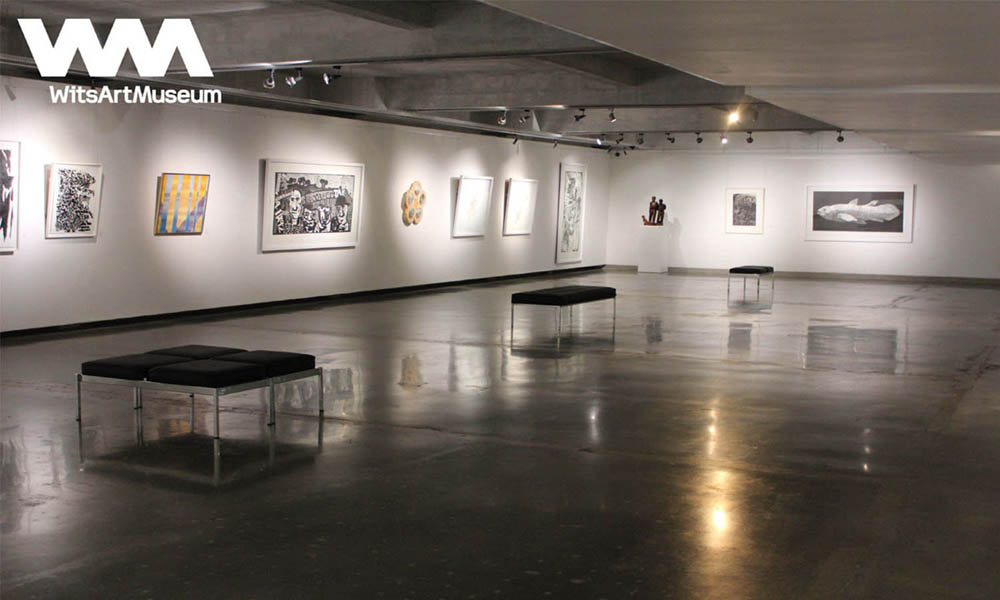
The Standard Bank Foundation of Art was started in 1979 when it was agreed that a certain sum of money would be made available on an annual basis for the purchase of African art. The collection would be owned by both Wits University and Standard Bank. Today, the collection of art is housed at the Wits Arts Museum.
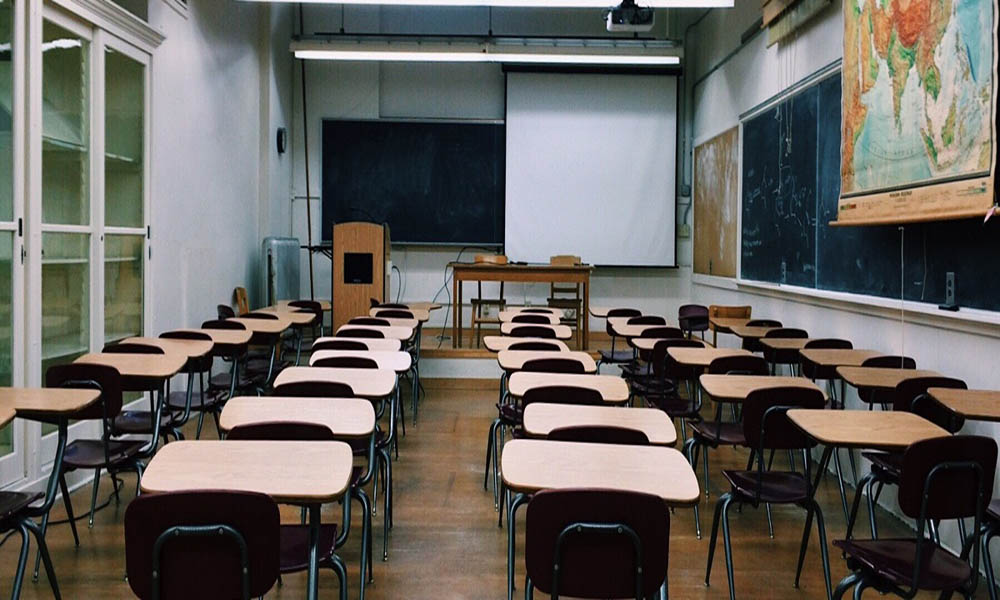
The Wits Bridging Programme was designed for disadvantaged students and started in the Centre for Continuing Education on a part time basis in the 1970s. It was officially launched by 6 faculties in 1982.

The Wits Theatre complex first opened its doors in July 1983. Ten years before that, the plan for the theatre was first announced. In the intervening years money was raised from the public and private sectors and the complex cost in the region of R5 million.
The Schools of Dramatic Art and Music needed a laboratory where their students could learn to develop their craft; where they could experiment with the latest in performing arts technology and could display the results of their work and experiments to the university and the public at large; where this could be done in the comfort of relatively well-equipped venues.
For the first eight years of its existence, the occasional open air production was staged there when the winter nights were not too cold or it did not rain in summer. In 1992 it was enclosed and added a third venue to the complex - a 120-seater all enclosed theatre where work which cannot be housed in the other two venues can find a home. It has its own foyer space.

The Amic Deck was built to connect the east and west campuses of Wits University and was funded by Anglo American and De Beers. The 50 meter wide plaza was constructed from steel and glass, and spans the M1 highway. It gives pedestrians easy access to both campuses.
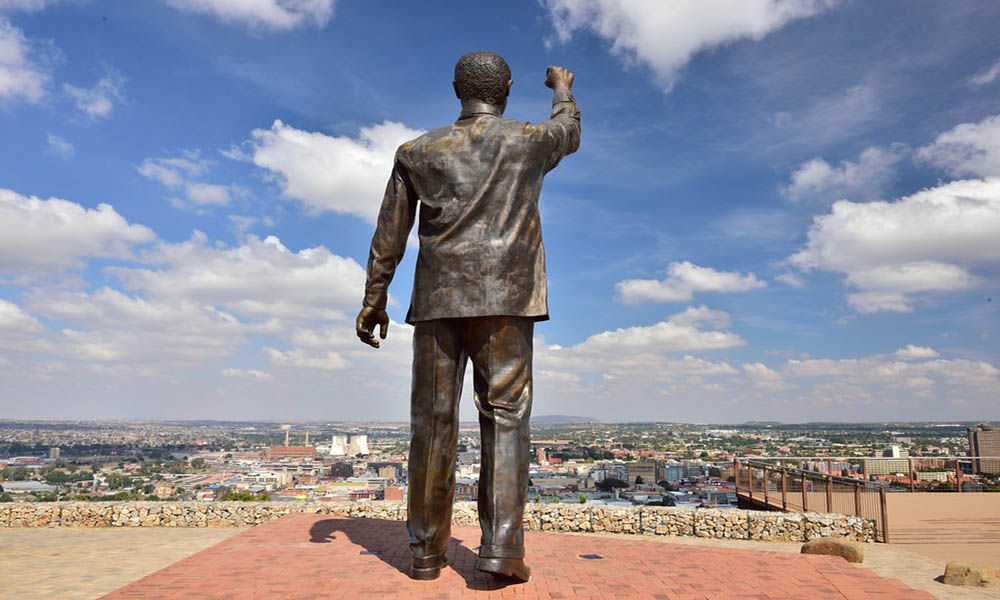
Honorary Wits alumnus and Former President of South Africa, Nelson Mandela, wins the Nobel Peace Prize. The motivation for the award: "For their work for the peaceful termination of the apartheid regime, and for laying the foundations for a new democratic South Africa."
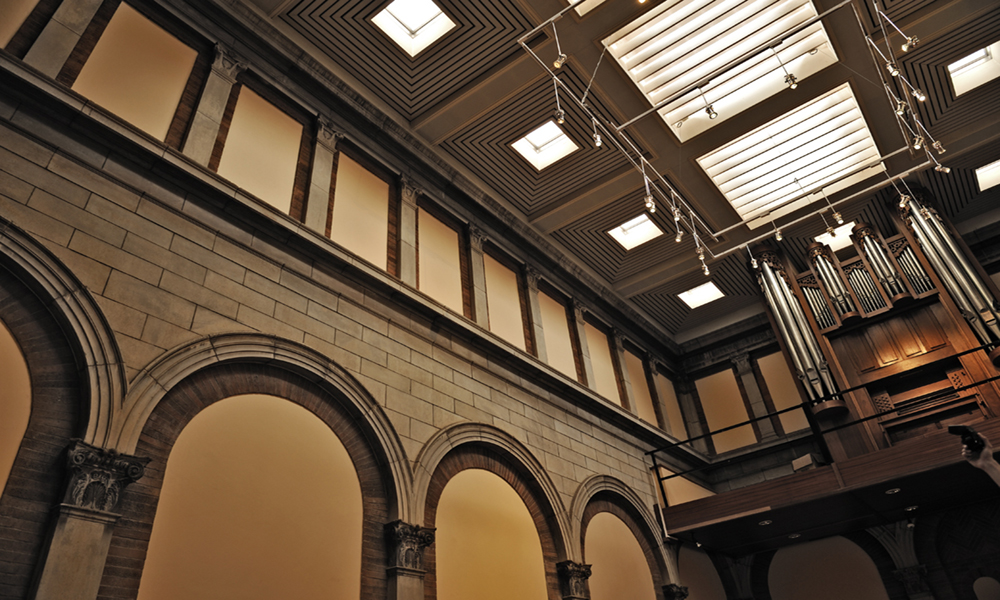
The Organ was built by the firm of Fehrle and Roeleveld. In tona qualities it is said to follow the baroque and classical French traditions. The instrument is an important cultural contribution not only to Wits University, but to Gauteng as well. The Atrium currently serves as an occasional performance area for small music concerts arranged by the Music Division in the School of Arts
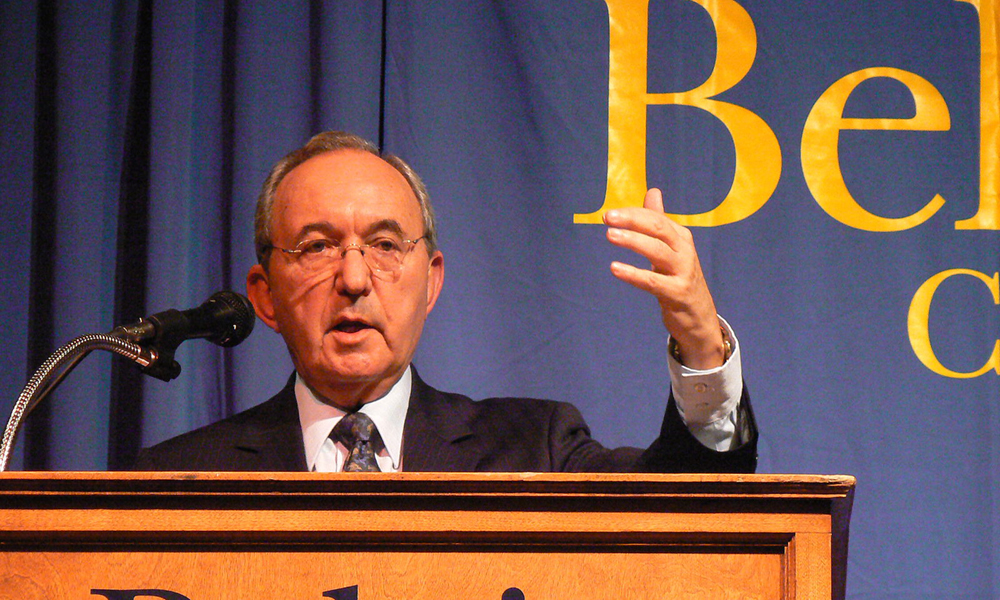
Judge Richard Goldstone becomes the 7th Chancellor of Wits University. After graduating, Goldstone practised as an advocate at the Johannesburg Bar. In 1976 he was appointed Senior Counsel and in 1980 was made a judge of the Transvaal Supreme Court. From 15 August 1994 to September 1996 he served as the chief prosecutor of the United Nations' International Criminal Tribunals for the former Yugoslavia and Rwanda.
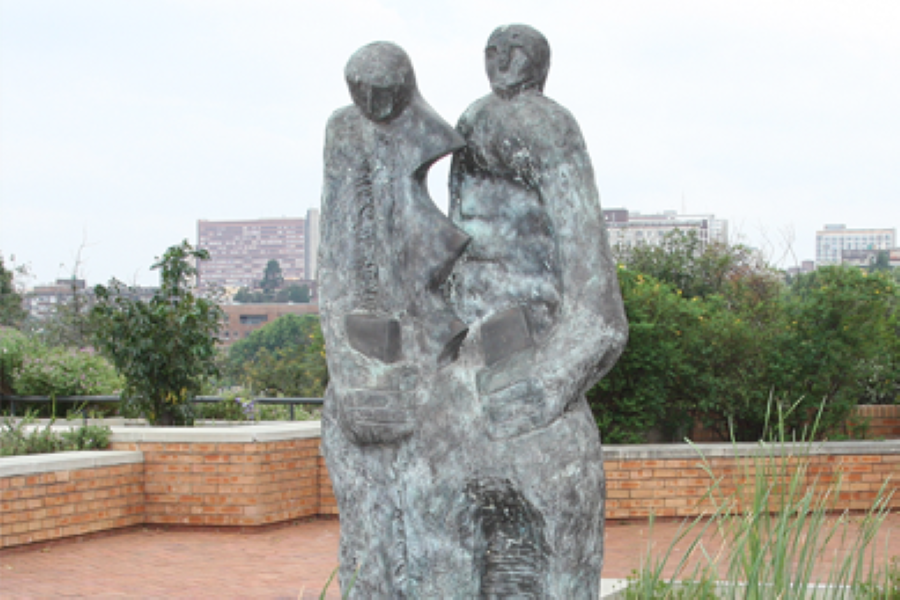
Memorial sculpture was erected at the Faculty of Health Sciences to commemorate the acceptance of the Internal Reconciliation Commission manifesto. The figure on the left looks down and represents the years of shame when students of colour were not allowed to participate fully in the training facilities at Medical School because of the apartheid laws. The figure on the right is a student looking upwards and forwards towards the future and represents a united and non-racial Medical School.
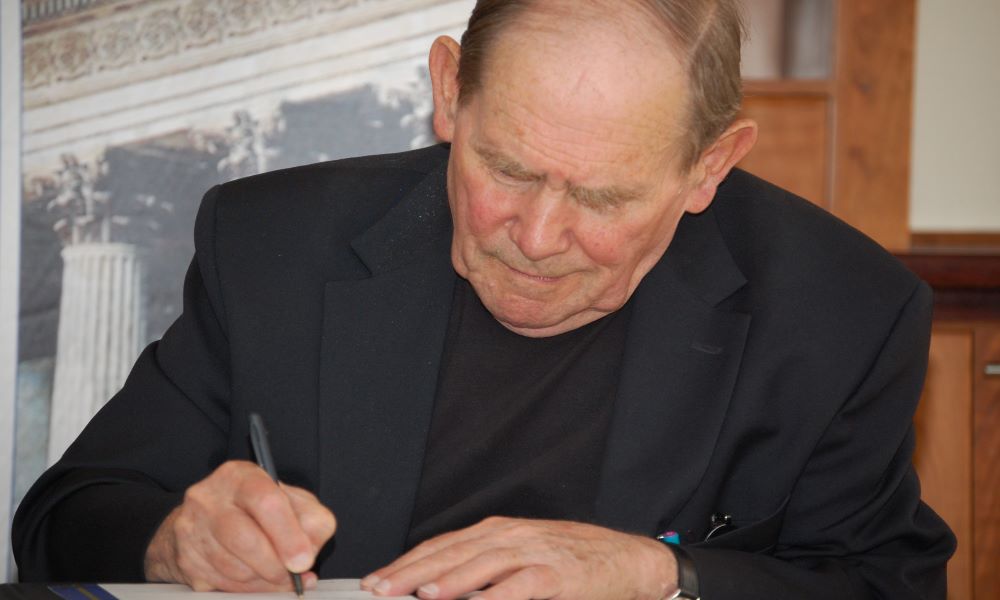
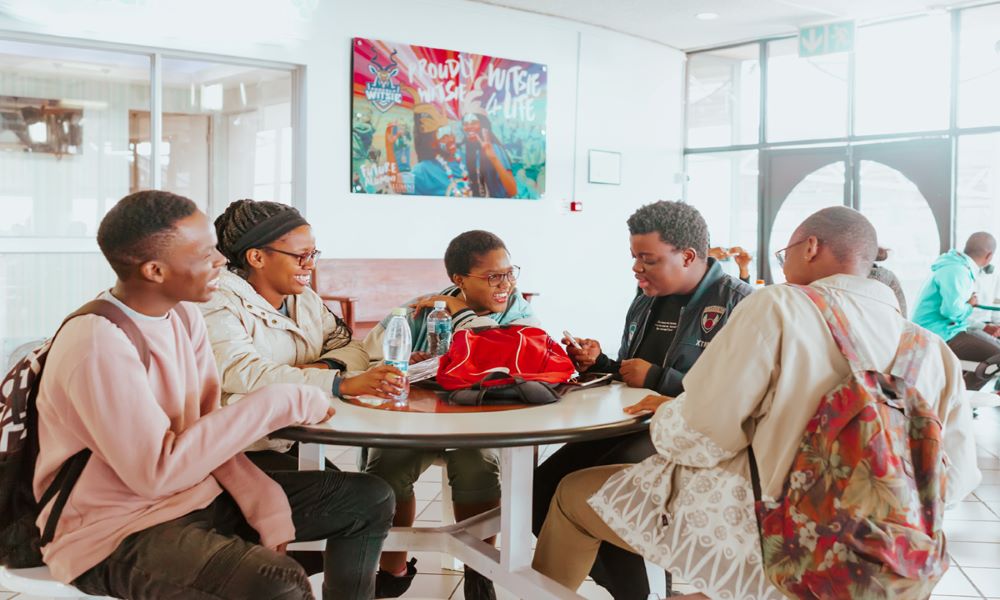
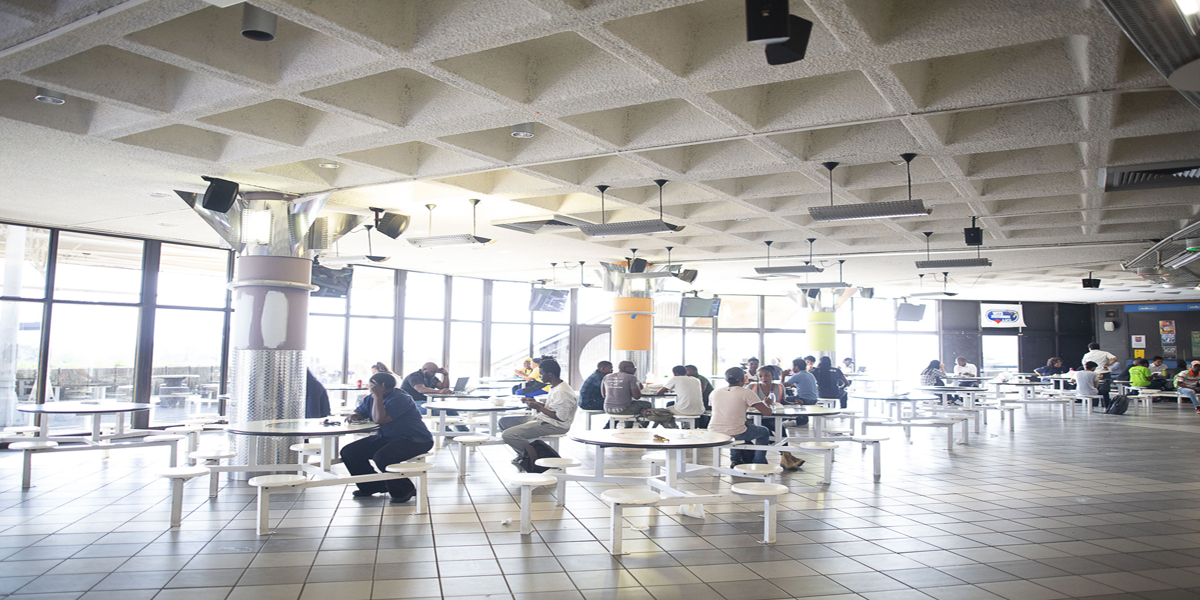
International House, a residence designed for the growing international student population is opened and the revamped student mall, the Matrix, is established. Branches and ATMs of all major banks are located in The Matrix, as well as book stores, grocery stores, restaurants and leisure areas.
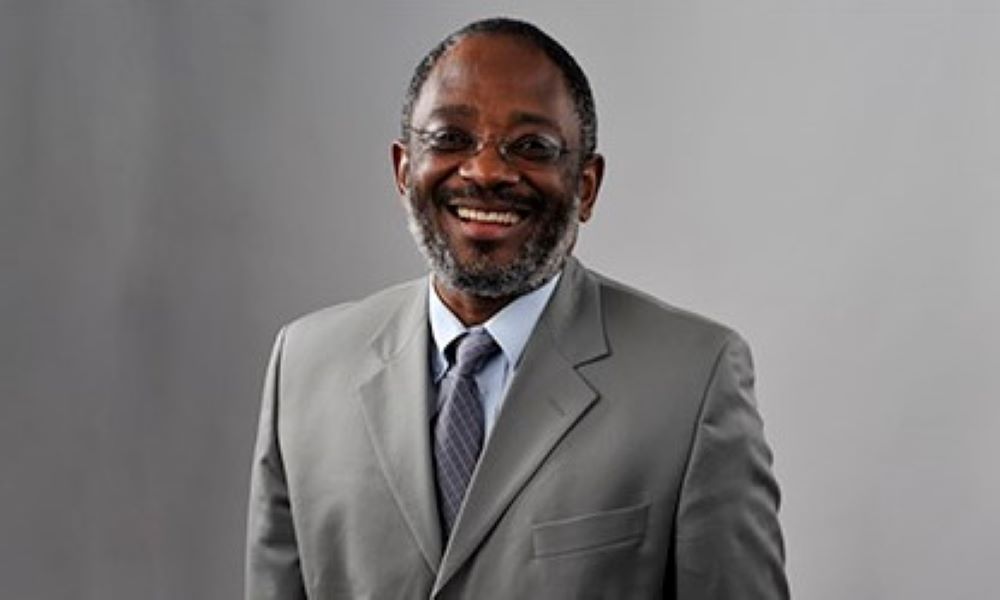
At an Alumni General Assembly and a special graduation ceremony for Wits graduates who boycotted their graduation, Professor Nongxa spoke about the social segregation that occurred at Wits University during the 1980’s despite the university declaring itself to be an ‘Open University’ at the time, and opposing apartheid segregation. He acknowledged the anger felt by many black graduates of Wits for their social experiences.
In his speech, Professor Nongxa said: "As Head of this institution, I wish to say `ngxe’ to each and every one of you, both within this Great Hall and those who couldn’t come. `Ngxe’ is a Xhosa-term which is an apology that conveys an acknowledgement of the hurt or anger or bitterness that was caused by an action or actions that could have been avoided or were beyond the control of the perpetrators. Ngxe! Is an appeal for a new beginning, closing the chapter on past experiences."
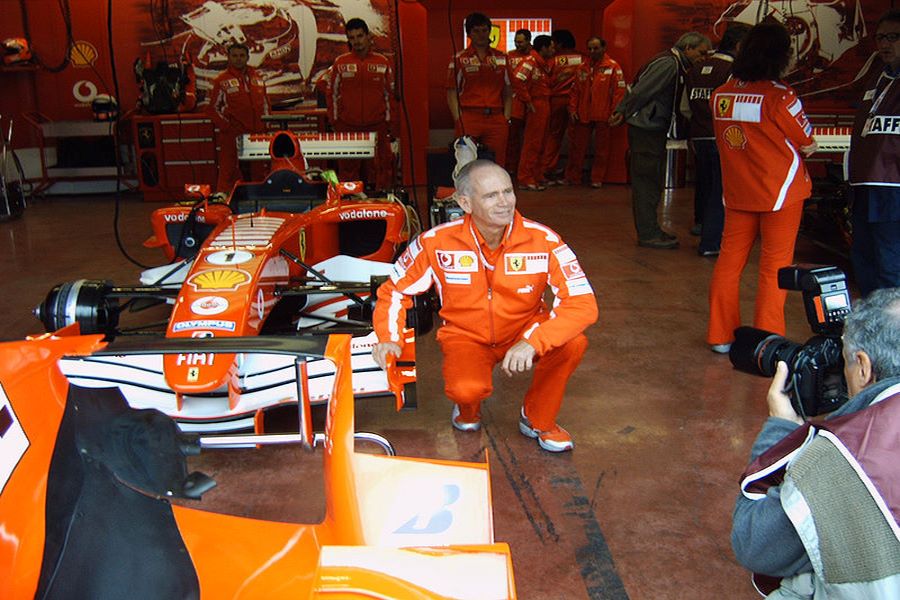
Also in 2005, Wits alumnus Rory Byrne, chief constructor for Ferrari, is awarded an Honorary Doctorate. Byrne-designed cars have won ninety-nine Grands Prix, seven constructors' titles and seven drivers' titles. This makes Byrne the third most successful Formula One designer, behind rivals Adrian Newey and Colin Chapman.

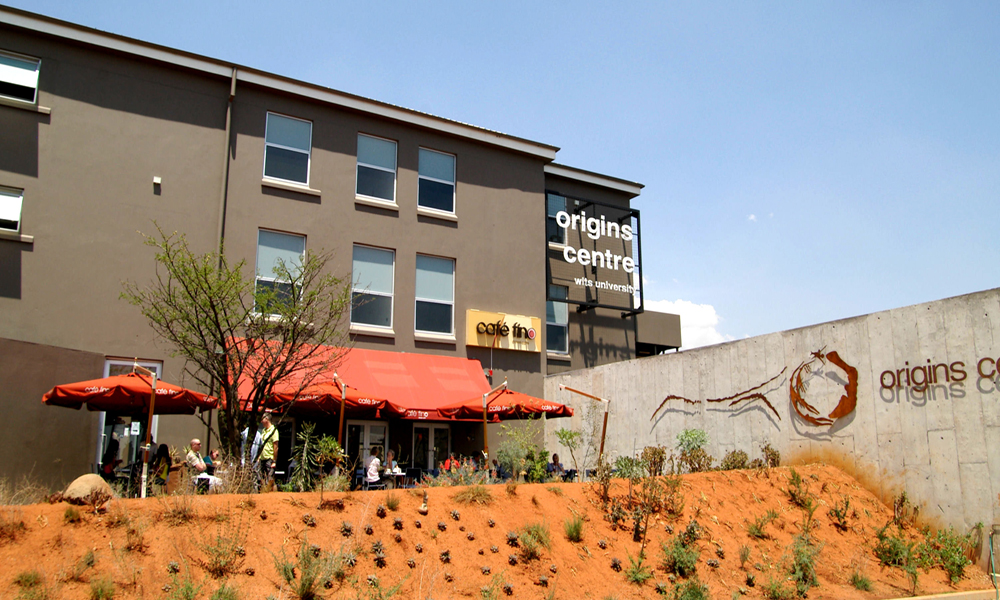
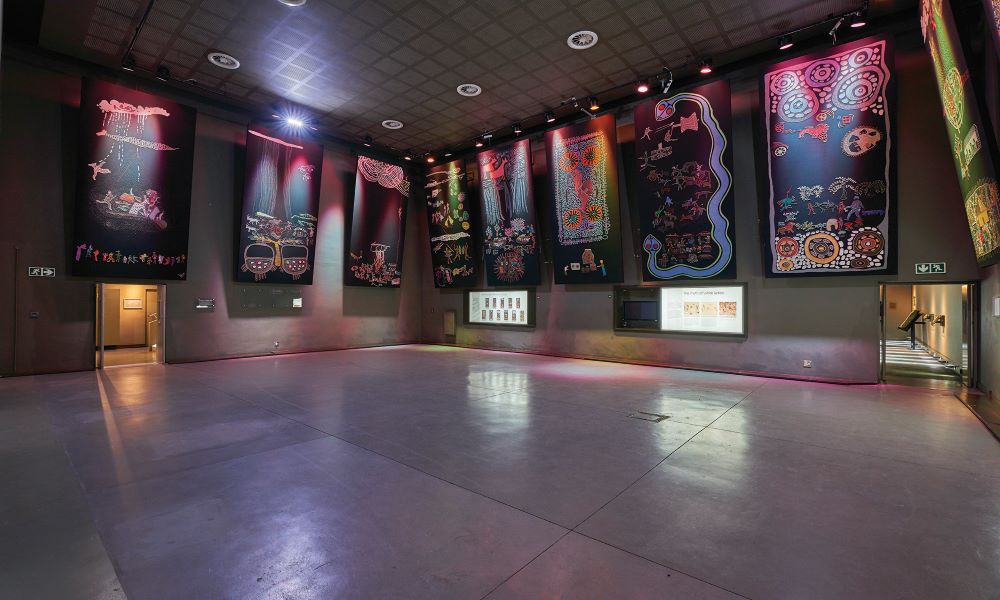
Opened by President Thabo Mbeki in 2006, the Origins Centre is dedicated to exploring and celebrating the history of modern humankind. It contains evidence of ancient stone tools, artefacts of symbolic and spiritual significance, and examples of the region’s visually striking rock art. It also captures the impact of the colonial front and highlights examples of resistance. The Origins Centre boasts an extensive collection of rock art from the Rock Art Research Institute (RARI) at Wits, affording visitors the opportunity to view some of the richest visual heritage found in South Africa and to learn about its history and meaning.
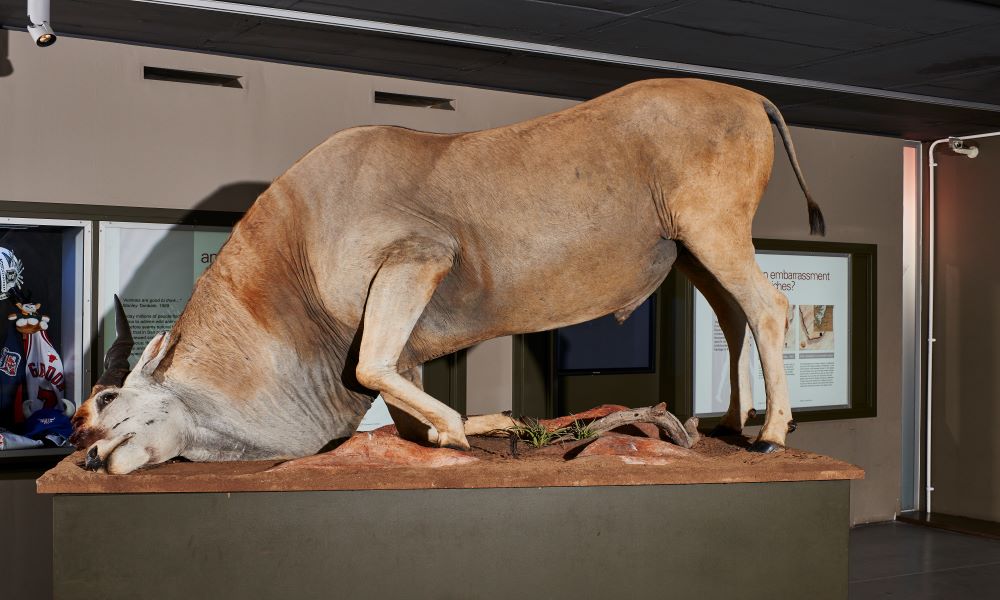
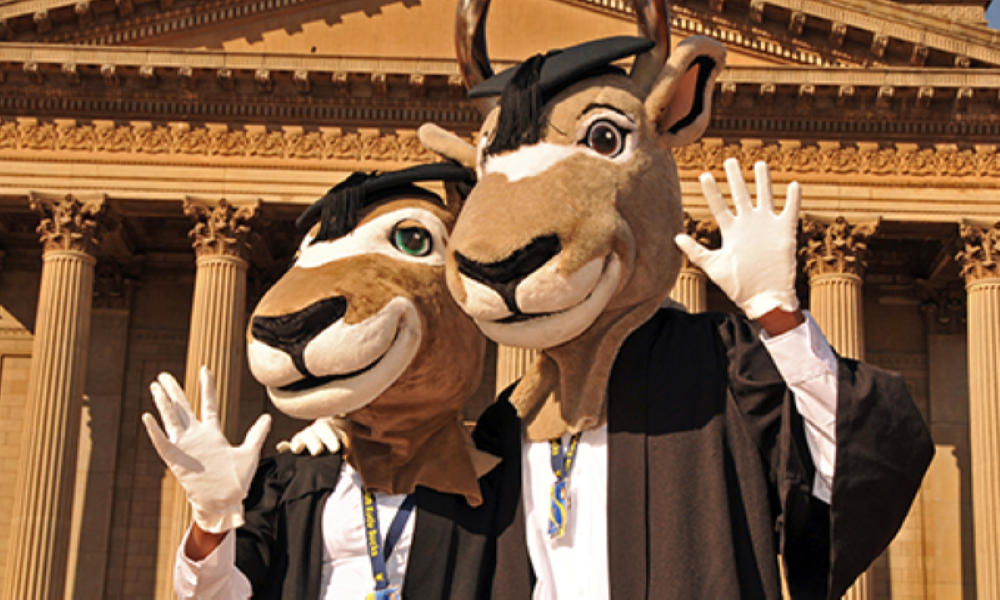
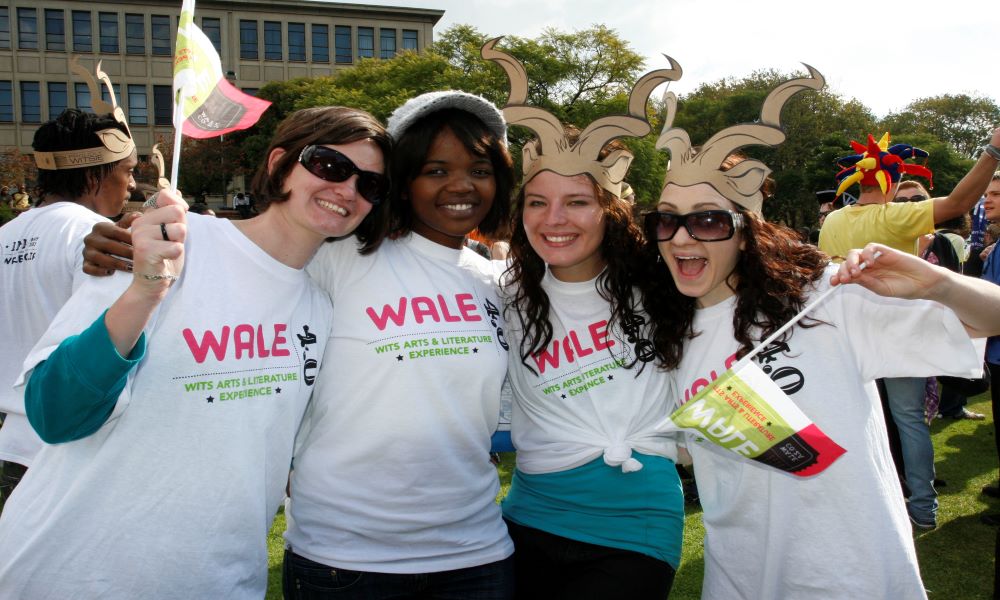
The University celebrated its first Wits Arts and Literature Experience hosted by the Faculty of Humanities, which transformed the campus into a cultural epicenter.
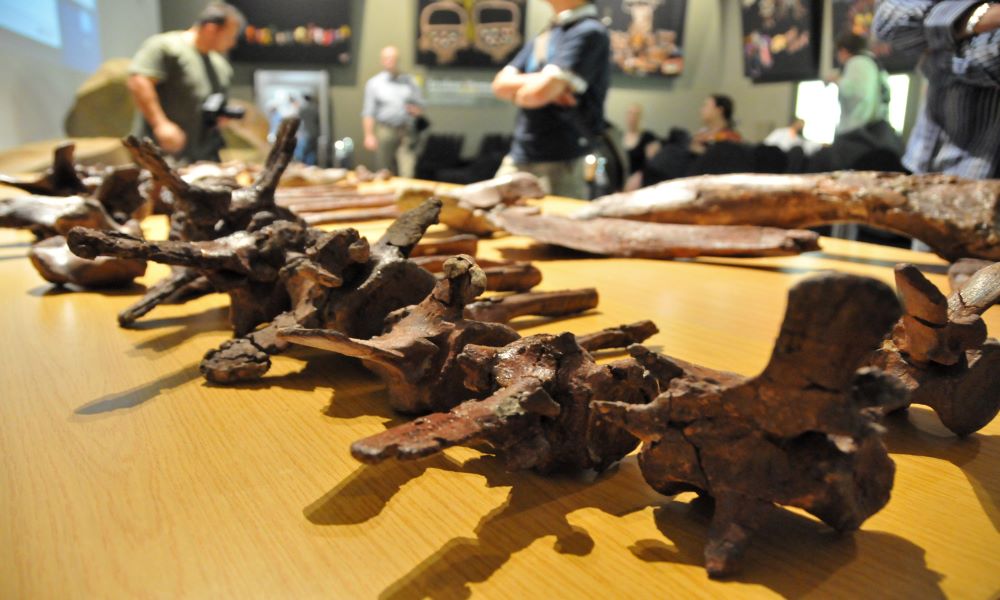
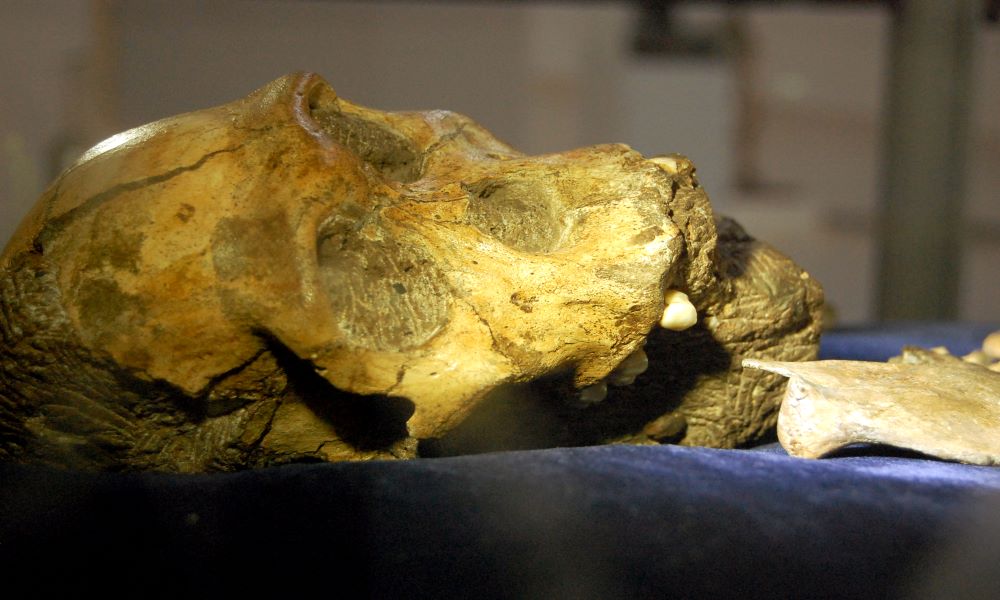

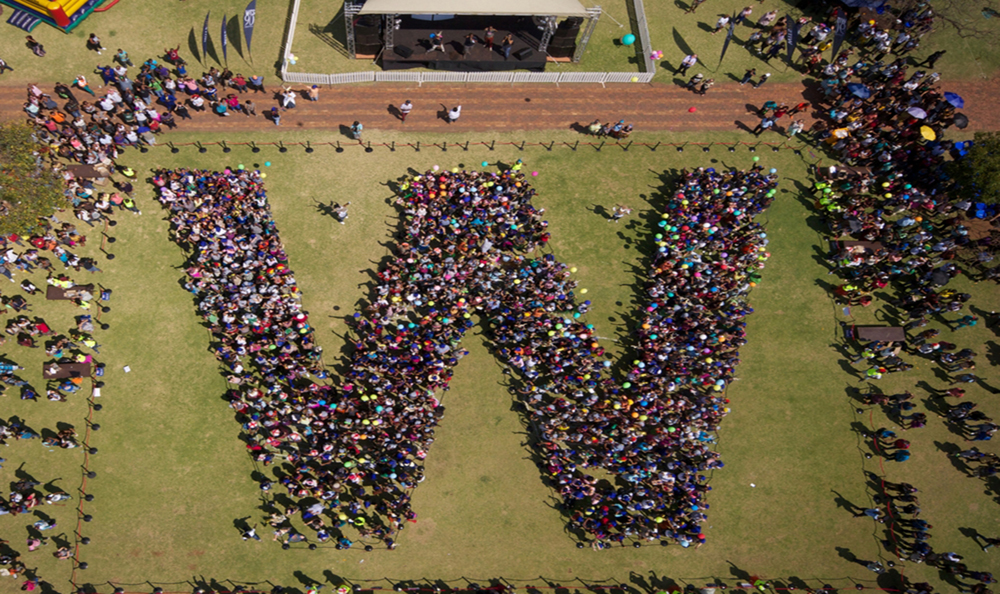
Wits is the custodian of some of the world's most priceless treasures and on the occasion of its 90th anniversary, Wits invited Joburgers to share these riches. Some of these were, Embryo models; animal skeletons; human death masks; iron lungs used in South Africa during the 1950s poliomyelitis epidemic; some 17th Century musical instruments and a medicine chest was also on display.
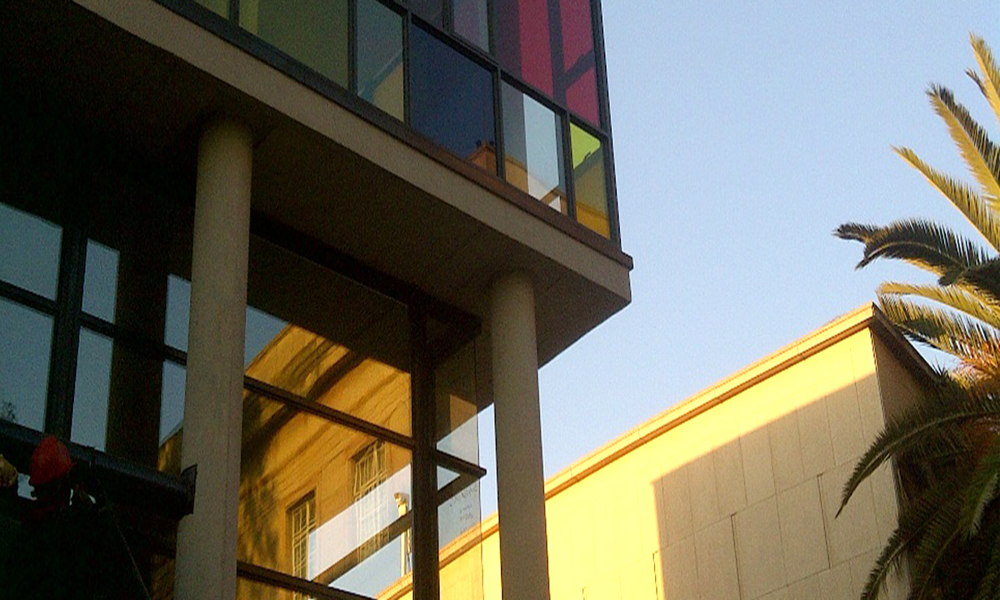
The School of Construction Economics and Management building opens in May. It completes the Built Environment Precinct along with the John Moffat building extension and the Yale Telescope building.

The idea of the hospital was born out of the dream of former president Nelson Mandela, who wanted a specialised paediatric centre dedicated to the needs of children in Southern Africa. The hospital received its first patients in 2017.

Wits students embarked on a historic struggle to remove the burden of fee increases at universities, with an aim to bring about affordable education for all young South Africans. The student protests quickly spread to other universities around the country, and found itself at the Union buildings, where they had agreed with the president and universities that 2016 would not carry an increase in fees.
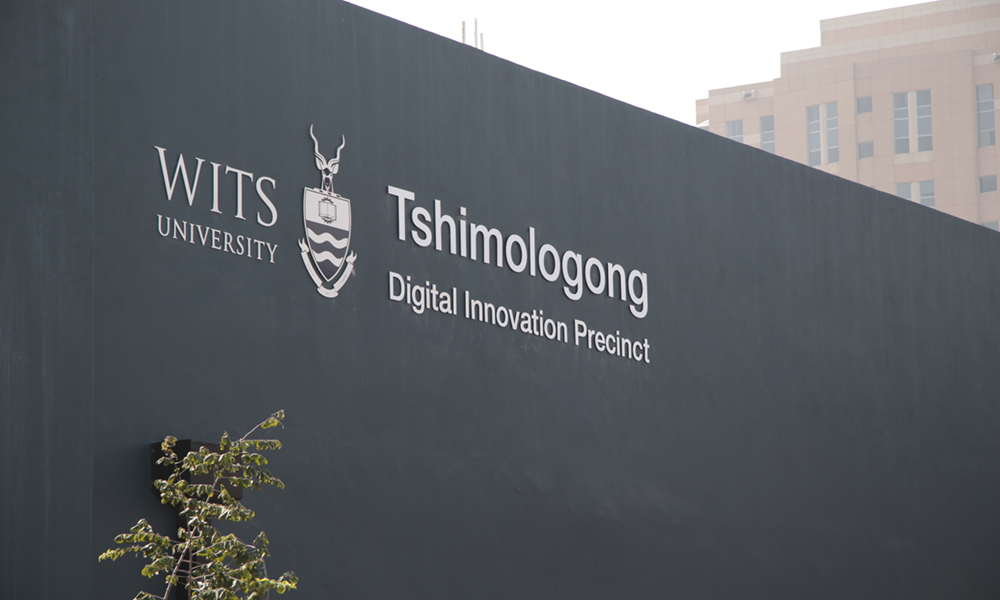
Tshimologong is an enabling space to develop new digital technologies. Setswana for “new beginnings”, Tshimologong is Johannesburg’s high-tech address in the vibrant inner-city district of Braamfontein, where the incubation of start-ups, the commercialisation of research and the development of high-level digital skills for students, working professionals and unemployed youths take place.
APES:

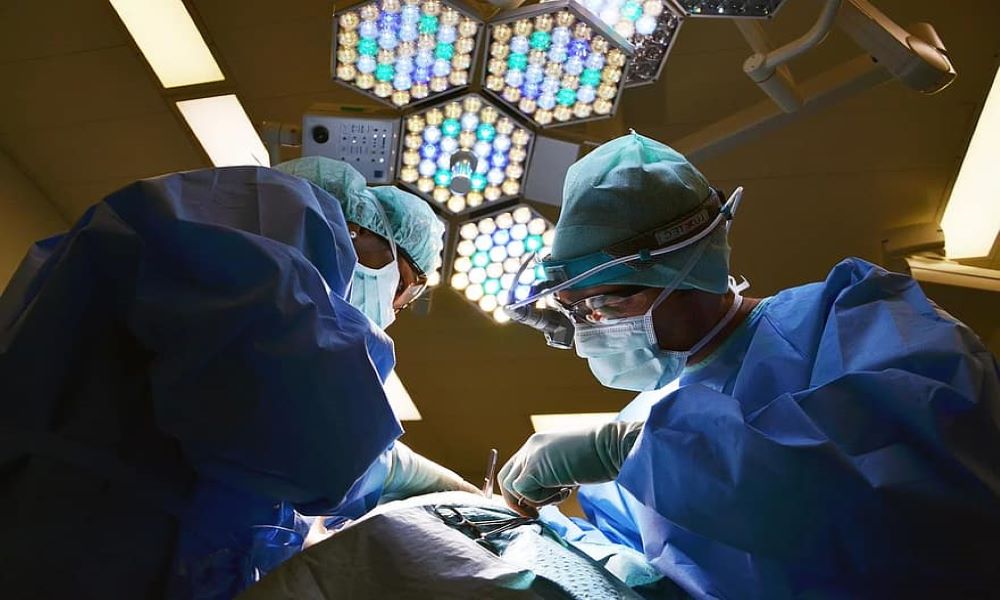
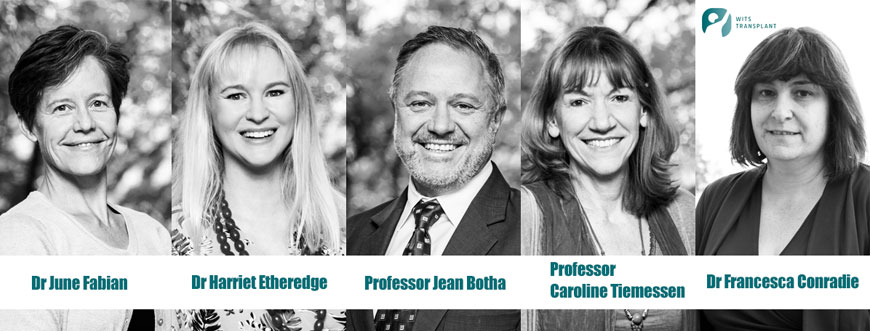
The transplant team:

Wits Rugby Pirates Grand Challenge winning team 2019
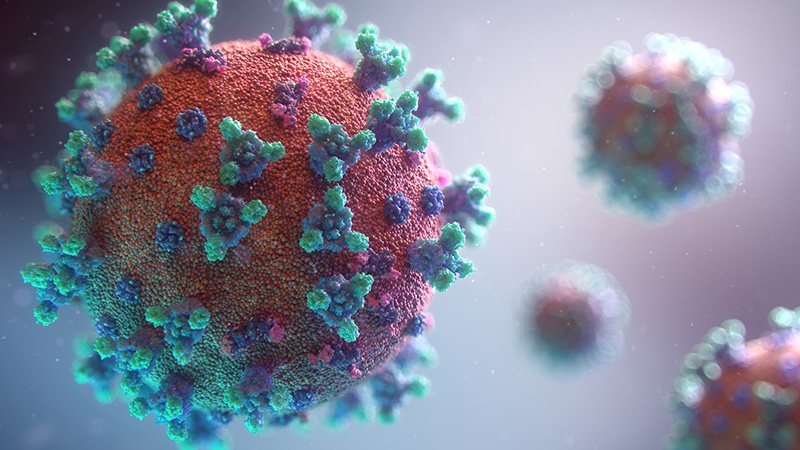
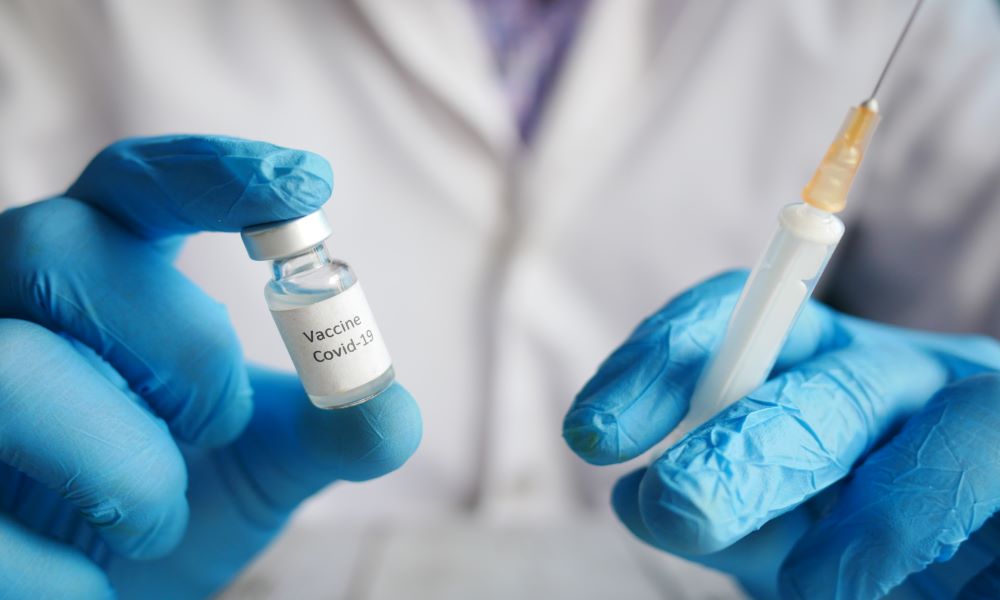
Wits University leads two Covid-19 vaccine trials, which at this time are the only Covid-19 vaccine trials in South Africa and on the continent:
Wits Professor Shabir Madhi, Executive Director of VIDA, leads both trials.
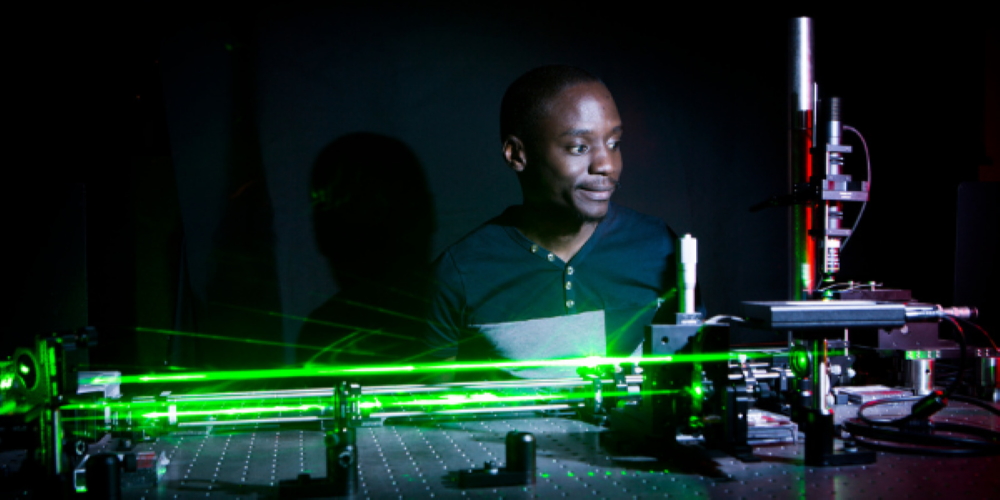
WitsQ provides a forum for quantum scientists in all fields across the continent to connect. Led by Professor Andrew Forbes from the Wits School of Physics, WitsQ’s vision is to strategically promote and advance Quantum Technology at Wits, with a focus on the research, innovation, business, education and outreach, and ethics of quantum technologies.
Through the Wits 100 Centenary Endowment Fund, we are striving to further our work in teaching and research excellence, scholarships, student support, the student experience, and campus improvements.
Why our champions believe in Wits